
Categories
Disaster Recovery Fire and smoke damage restoration

Does Renters Insurance Cover Fire Damage in Illinois? What Renters Need to Know

24/7 EMERGENCY SERVICE RESIDENTIAL & COMMERCIAL SERVICES

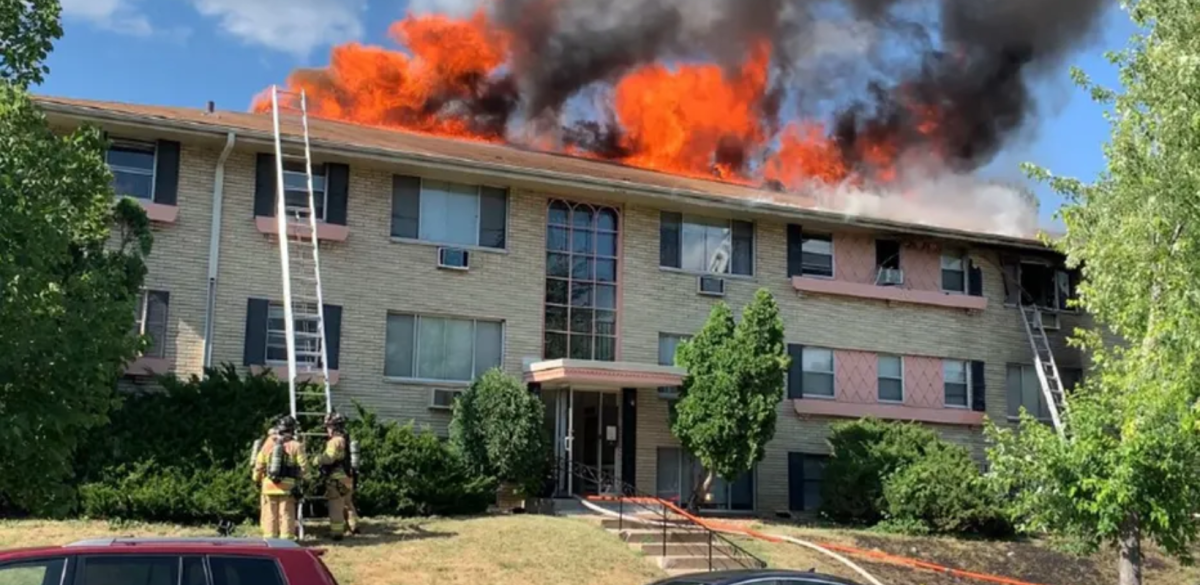
Residential fires happen fast and leave renters facing serious financial loss. In Illinois, apartment fires, kitchen accidents, electrical malfunctions, and other emergencies can destroy your belongings and make a rental temporarily unlivable. Knowing what renters insurance covers before a fire happens helps you recover faster and avoid costly surprises.

The risk is real. According to the Illinois State Fire Marshall, there were 17,256 structure fires reported in 2025, resulting in over $1.4 billion in property damage. Fire claims also occur at higher rates in apartments and condos than in single-family rentals, because a fire in one unit can spread to the units next to it. That makes coverage especially important for Illinois renters living in multi-unit buildings.

Despite the risk, many renters either skip insurance or misunderstand what it covers. The good news: renters’ insurance does typically cover fire damage. But there are limits, exclusions, and policy details every renter should understand before disaster strikes.

This article is general information, not insurance advice. Coverage varies by policy, so confirm the specifics with your insurer or agent. For a neutral overview of renters coverage in Illinois, the Illinois Department of Insurance publishes a consumer guide on renters insurance.

Quick Answer: Does Renters Insurance Cover Fire Damage in Illinois?

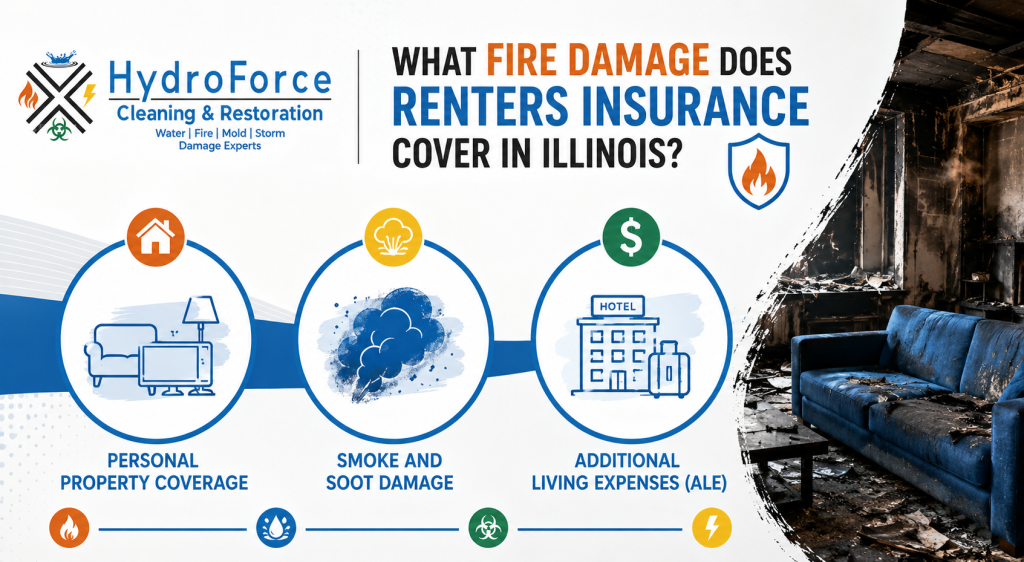
Yes. In most cases, renters insurance in Illinois covers fire damage caused by a sudden and accidental covered event. A standard policy typically pays for damaged personal belongings, smoke and soot damage, and additional living expenses if your rental becomes temporarily uninhabitable.

What it does not cover is the building itself, intentional acts, or losses beyond your policy limits. The landlord’s insurance is responsible for repairing the physical structure.

Understanding Renter’s Insurance Coverage in Illinois

Most renters insurance policies in Illinois are HO-4 policies designed specifically for tenants. They generally include:

  • Personal property coverage
  • Personal liability protection
  • Additional Living Expenses (ALE), also called Loss of Use coverage
  • Medical payments coverage in certain situations

Illinois law does not require renters to buy renters insurance. However, many Chicago and suburban landlords make it a condition of the lease, and failing to show proof of coverage can lead to penalties or lease termination. Even when it is optional, the math favors carrying it: your landlord’s policy covers the building and nothing you own.

What Fire Damage Does Renters Insurance Cover in Illinois?
Renters Insurance Fire Damage Coverage in Illinois - HydroForce

Personal Property Coverage

One of the biggest benefits of renters insurance is protection for your personal belongings. If a covered fire damages or destroys your possessions, your insurer may reimburse you up to your policy limits after your deductible is met.

Commonly covered belongings include:

  • Furniture
  • Clothing
  • Electronics
  • Kitchenware
  • Home décor
  • Books
  • Small appliances
  • Personal items

Coverage is based on one of two methods:

  • Replacement Cost Value (RCV): Pays the cost to replace damaged items with comparable new ones.
  • Actual Cash Value (ACV): Pays the depreciated value based on age and condition.

One detail that catches renters off guard: sublimits. High-value items such as jewelry, watches, firearms, art, and collectibles usually have a per-category cap, often $1,000 to $2,500. If the replacement cost exceeds that sublimit, you only recover the capped amount unless you have added scheduled personal property coverage for those items. If you own anything with significant value, ask your agent about a rider before a fire happens.

Smoke and Soot Damage

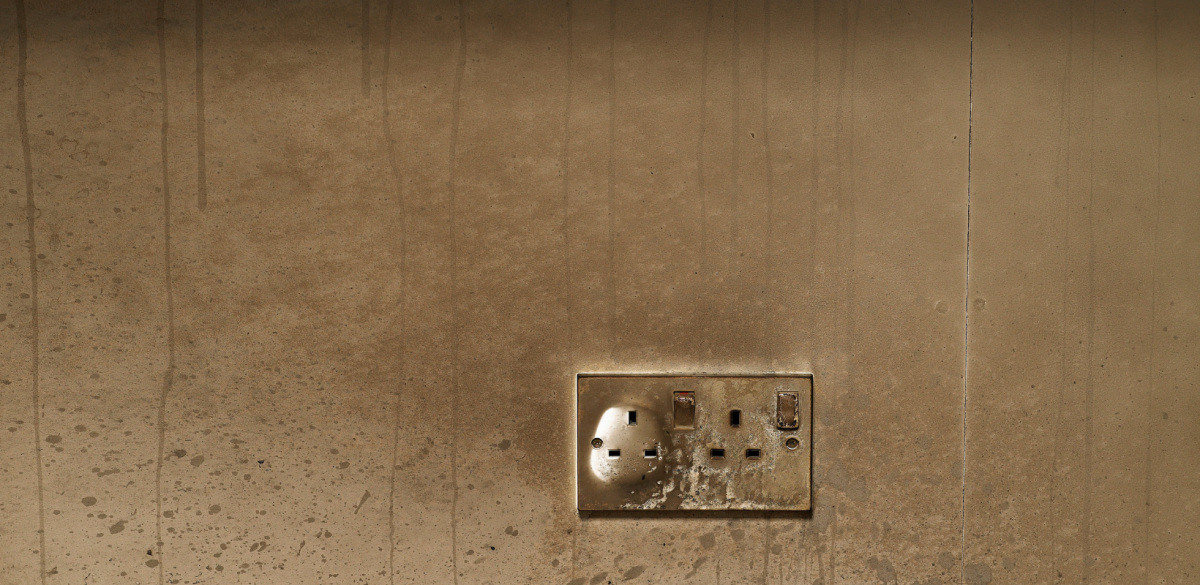
Fire damage extends beyond visible flames. Left on surfaces for even 24 to 48 hours, it etches glass, corrodes metal fixtures, and yellows painted walls permanently. Smoke also travels through the HVAC system and settles inside the ductwork, which is why a surface wipe-down is never enough to remove the odor. Proper restoration means sealing the system, cleaning the ducts, and using hydroxyl or ozone treatment to pull odor out of drywall and subfloor before it sets in for good.

Smoke and soot can spread throughout a rental property and damage:

  • Clothing and fabrics
  • Upholstered furniture
  • Electronics
  • Artwork and photographs
  • Documents
  • HVAC systems through circulating particles

The takeaway for your claim: Smoke and soot damage is typically covered under the same personal property coverage that applies to fire, but the cleanup is specialized work, not a weekend project.

Additional Living Expenses (ALE)

If your rental home cannot be safely occupied after a covered fire, Additional Living Expenses coverage may reimburse reasonable extra costs incurred while repairs are underway, including:

  • Hotel accommodations
  • Temporary rental housing
  • Restaurant meals when you cannot cook
  • Laundry expenses
  • Increased transportation costs in certain situations

ALE coverage helps maintain your normal standard of living while your residence is being restored.

Water Damage From Firefighting Efforts

This is a coverage point many renters miss. When the fire department puts out a fire, the water from hoses and sprinklers often causes as much damage as the flames. That water damage is typically covered because it is a direct result of a covered fire. The same goes for water from a sprinkler system that activates during the fire. In practice, fire restoration and water damage mitigation almost always happen together, and both can fall under your claim.

Does Renters Insurance Cover a Fire I Accidentally Caused?

Yes. If you accidentally start a fire, the personal liability portion of your renters policy can pay for damage to your landlord’s property and to neighboring units, up to your liability limit.

For example, if a kitchen fire spreads to the apartment next door, or if it triggers the sprinklers in a shared hallway, liability coverage can pay those repair costs so you are not paying out of pocket. This matters in Illinois apartment buildings, where a single accidental fire can affect several units at once.

Standard policies often include $100,000 in liability coverage, but many renters carry $300,000 or more for better protection. Liability does not apply to fires that are set intentionally or caused by gross negligence.

What Fire Damage Is Not Covered by Renters Insurance?

Renters insurance is broad, but it does not cover every fire-related loss. Knowing the exclusions helps you avoid surprises at claim time.

  • Damage to the building structure: Renter’s insurance does not cover the physical structure of the rental property, including the roof, walls, floors, or other structural components. These are the responsibility of the landlord’s insurance policy.
  • Intentional or preventable fires: Most policies exclude coverage for fires that are intentionally set (such as arson) or caused by gross negligence or reckless behavior. Coverage is intended for sudden and accidental events, not deliberate or avoidable damage.
  • Policy deductible requirements: Even when a fire loss is covered, you are responsible for paying your deductible before insurance benefits apply. The insurer will then reimburse covered losses up to your policy’s personal property limits.
  • High-value items above sublimits: Jewelry, art, and collectables may only be partially covered without a rider.
  • Business-related property losses: Personal renter’s insurance policies typically do not cover business equipment, inventory, or other commercial property kept in the rental unit. If you operate a business from home, you may need additional or specialized coverage.

Does Renters Insurance Cover Smoke Damage After a Fire?

Yes, in most cases renters insurance covers smoke damage after a fire, as long as the fire itself is a covered peril. Smoke damage is usually included under the same personal property coverage that applies to fire damage.

Smoke can be as destructive as flames. Even when items are not directly burned, smoke particles seep into fabrics and porous materials, leaving odors and residue that are difficult to remove. Smoke damage may also trigger your ALE coverage: if heavy smoke makes the unit unsafe to live in, your policy may help pay for temporary housing while the property is cleaned and restored.

Coverage depends on your specific policy. Gradual damage, poor maintenance, or excluded perils may not be covered, so review your plan details.

How Much Does Renters Insurance Cost in Illinois, and Is It Required?

Renters insurance in Illinois is one of the most affordable coverages you can buy, often around $15 to $20 per month, depending on your location, coverage limits, and deductible. Rates in Chicago tend to sit near the lower end because of the volume of policies written there.

No Illinois state law requires renters’ insurance. But many landlords and property management companies, especially in Chicago and the suburbs, require it in the lease. Compared with the cost of replacing everything you own after a fire, a policy of $15 to $20 per month is inexpensive protection.

Who Pays for Fire Damage at an Illinois Rental Property?
Who Is Responsible for Fire Damage in an Illinois Rental - HydroForce

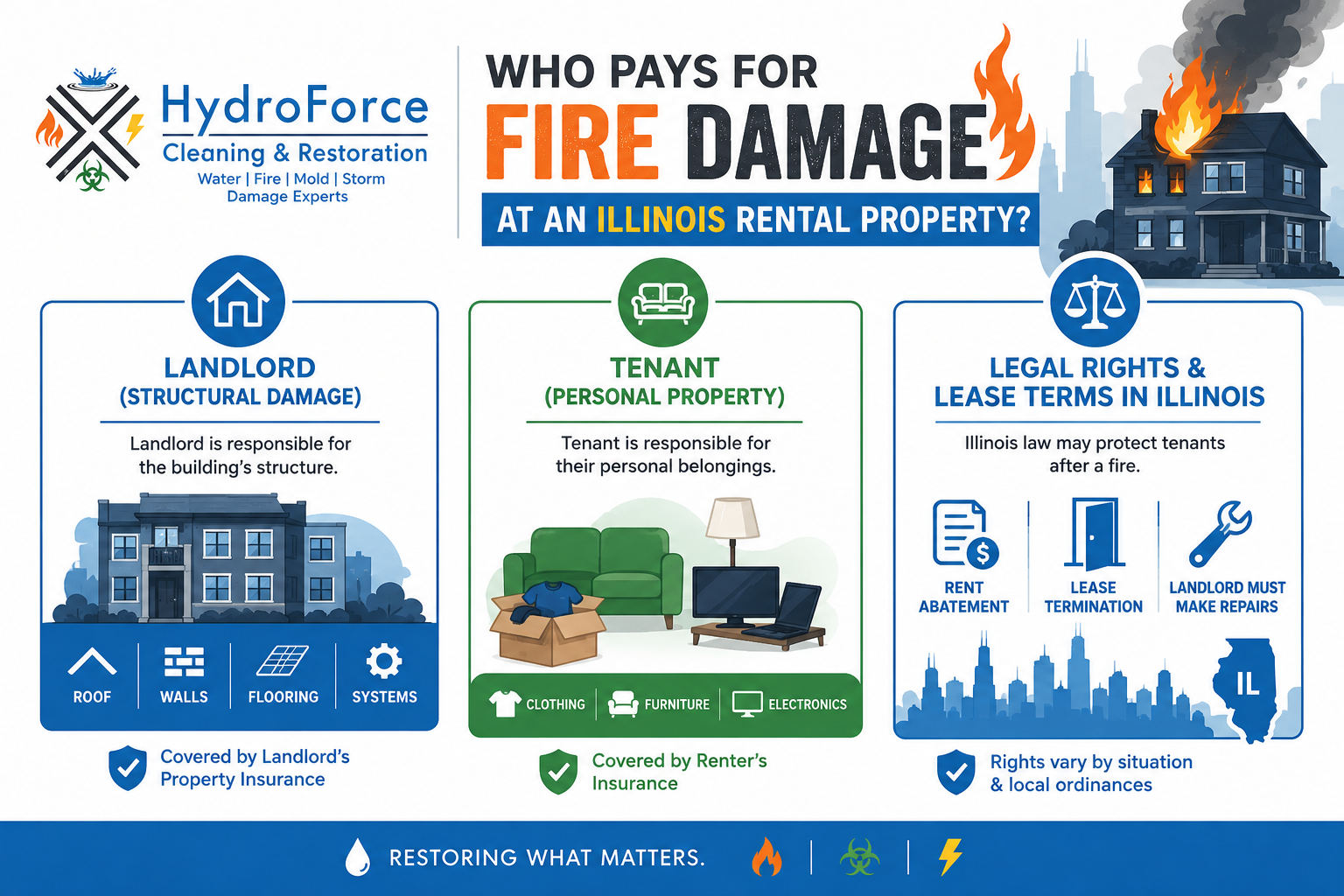
After a fire in a rental property, responsibility for costs is typically shared between the landlord and the tenant’s insurance policies, depending on what was damaged and how the fire occurred. Understanding this distinction is key to knowing what to expect during the recovery process.

  • Landlord (structural damage): The landlord is generally responsible for repairing or restoring the physical structure of the building, including the roof, walls, flooring, and essential building systems. This coverage is typically handled through the landlord’s property insurance policy.
  • Tenant (personal property): A standard renter’s insurance policy covers a tenant’s personal belongings in the event of an accidental fire or related damage, such as smoke damage. This includes items like clothing, furniture, and electronics, up to the limits of the policy.
  • Legal rights and lease terms in Illinois: Illinois law and local ordinances, such as the Chicago Residential Landlord and Tenant Ordinance (RLTO), may apply after a fire. If a unit becomes uninhabitable, tenants may have rights such as rent abatement or lease termination, while landlords are generally required to make necessary repairs within a reasonable timeframe.

Common Causes of Apartment and Rental Home Fires in Illinois

Fires in rental properties are unfortunately common across Illinois, often caused by everyday household activities or preventable hazards. Understanding the most frequent causes can help tenants reduce their risk.

  • Cooking-related incidents are the leading cause of residential fires, often due to unattended stoves or grease fires.
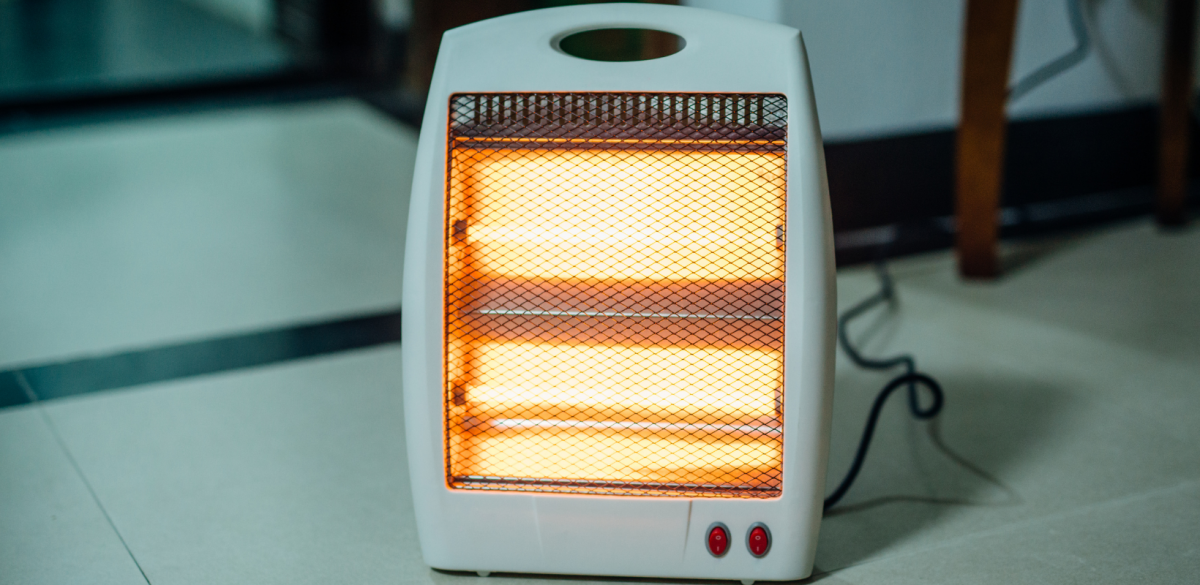
  • Space heaters placed too close to flammable materials or left running unattended can quickly ignite nearby objects.
  • Electrical issues, such as overloaded outlets, damaged wiring, or faulty appliances, are another common source of fire.
  • Candles left burning unattended and smoking indoors also contribute significantly to fire risk in rental homes.

What Should You Do After a Fire in Your Apartment or Rental Home?

Acting quickly protects your safety and strengthens your insurance claim. The U.S. Fire Administration provides a guide for property owners covering what to do after a fire.

  • Get to safety and call emergency services from outside the property.
  • Notify your insurance company as soon as possible to start the claim.
  • Document the damage thoroughly with photos and videos of both fire and smoke-affected areas.
  • Arrange temporary housing, whether with family, friends, or a hotel.

How to File a Renters Insurance Fire Claim in Illinois

Filing a claim after a fire involves several steps to make sure your losses are documented and reimbursed.

  • Take detailed photos and videos of all damaged property before anything is moved or discarded.
  • Contact your insurance provider promptly to report the fire and open your claim.
  • If it is safe, take reasonable steps to prevent further damage, but always follow the fire department instructions first.
  • Keep all receipts for temporary living expenses, including hotels, meals, and transportation, since these may be reimbursable under ALE.
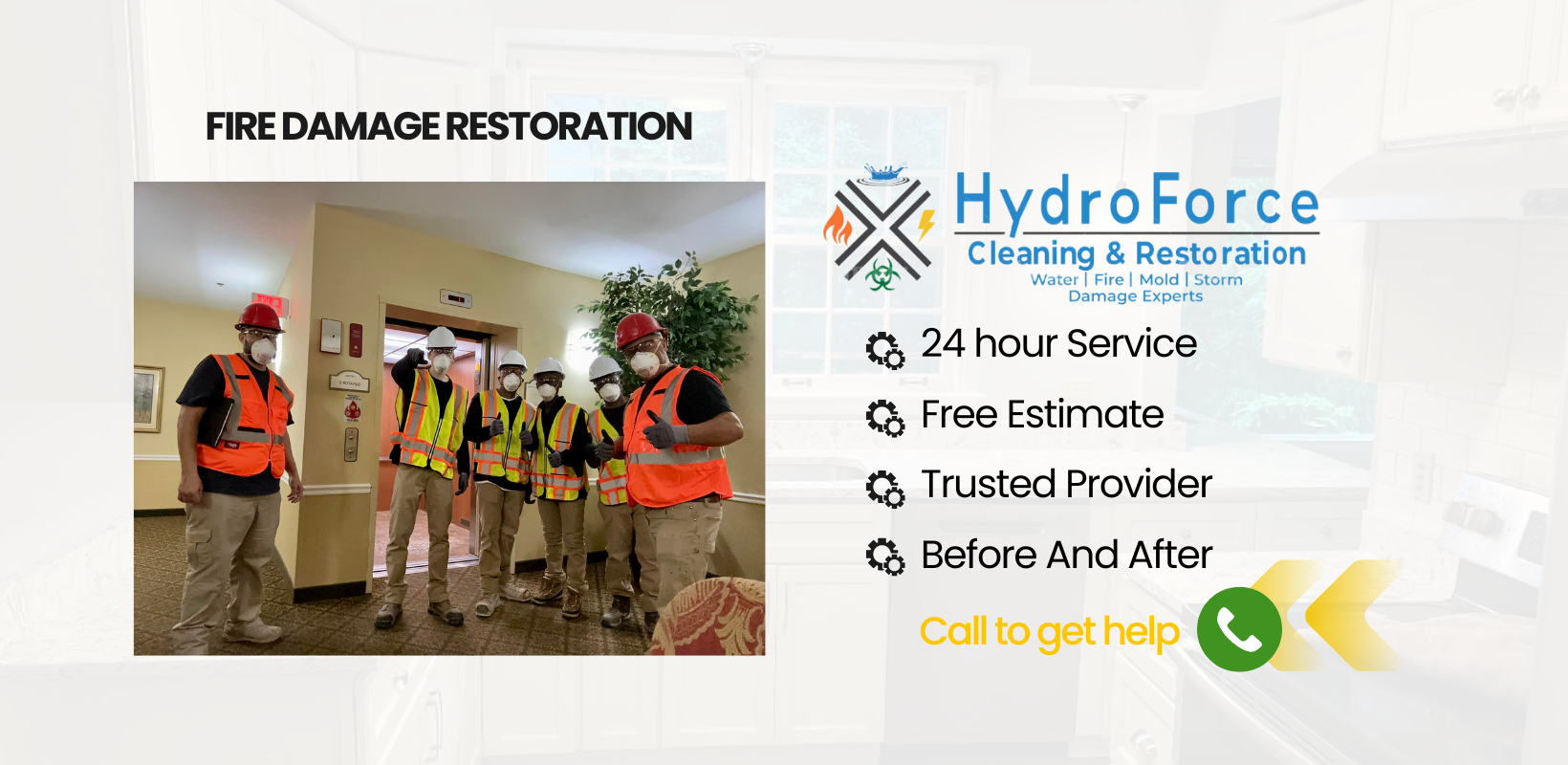
  • Work with qualified fire damage restoration professionals to assess, clean, and restore your property. A restoration company that documents conditions for your adjuster can help support your claim.

How Fire Damage Restoration Helps After an Insurance Claim

Professional fire damage restoration services play a critical role in returning your rental unit to a safe and livable condition after a fire. These specialists use advanced equipment and techniques to address both visible and hidden damage.

  • Smoke odor removal using specialized equipment and deodorization methods to restore indoor air quality.
  • Soot cleanup and surface restoration to prevent long-term staining and corrosion of affected materials.
  • Water damage mitigation and drying services, since firefighting efforts often leave behind significant water exposure.
  • Structural repair and full property restoration to rebuild damaged areas and return the unit to its pre-loss condition whenever possible.

Acting fast matters. The sooner soot and water are removed, the less permanent damage sets in, and the smoother your insurance claim tends to go.
Fire Damage Restoration and Repair - HydroForce Cleaning & Restoration

Get Expert Insurance Claims Support After Fire Damage

A fire in a rental is a devastating event that disrupts every part of daily life. Renters insurance in Illinois provides essential financial protection, but understanding your coverage, limits, and responsibilities is just as important as having a policy.

Even with insurance, recovery goes beyond filing a claim. Smoke, soot, water, and structural contamination linger long after the fire is out, and acting quickly reduces long-term damage while supporting a smoother claims process.

If you are dealing with fire damage in your rental, HydroForce Cleaning & Restoration provides comprehensive fire damage restoration designed to help you recover quickly and safely. Our team handles smoke damage, soot cleanup, water mitigation, odor removal, and full structural restoration, and we document conditions to support your insurance claim. Call us at (630) 835-0862 for emergency fire damage restoration in Chicago and the surrounding suburbs.
Frequently Asked Questions (FAQs)

Yes. A standard renters insurance policy in Illinois covers fire damage to your personal belongings, smoke and soot damage, and additional living expenses if your rental becomes uninhabitable, up to your policy limits and after your deductible. It does not cover the building structure, which is the landlord’s responsibility.

Yes. Smoke damage is typically covered under the same personal property coverage as fire, as long as the fire was a covered peril. Smoke particles can ruin clothing, electronics, and furniture without any direct flame contact.

Yes. Personal liability coverage can pay for damage to your landlord’s property or neighboring units if you accidentally cause a fire. Intentional fires and gross negligence are excluded.

Yes. Water damage that results from putting out a covered fire, including fire hoses and sprinkler systems, is typically covered because it is a direct result of the fire.

No state law requires it, but many Illinois landlords require it in the lease. It typically costs around $15 to $20 per month.

Only people named on the policy are covered. A roommate who is not listed needs their own policy. If an unlisted roommate causes a fire, your insurer may still cover your losses and then pursue the roommate for repayment.

Categories
Fire and smoke damage restoration Restoration Tips

How to Clean & Remove Smoke Damage on Walls and Ceilings

24/7 EMERGENCY SERVICE RESIDENTIAL & COMMERCIAL SERVICES

Key Takeaways on Cleaning Smoke Damage


A home fire can leave behind devastating smoke and soot damage, particularly on walls and ceilings where residue tends to settle. Smoke and soot damage can stain walls and ceilings, affect air quality, and leave behind stubborn smoke odors.

Acting quickly is key to preventing permanent damage. This guide explains what soot is, why it causes discoloration, and provides step-by-step methods for safely cleaning smoke damage from your home.

What Is Soot?

Soot is one of the most common byproducts of fire. These fine, carbon-based particles are formed when organic materials, such as wood, oil, plastics, or other fuels, burn incompletely. While soot is often black, it can also appear gray and may take on different forms, ranging from a dry, powdery substance to a greasy, oily film.

According to the World Health Organization (WHO), exposure to fine matter, such as soot, contributes to over 4.2 million premature deaths annually. In the aftermath of a serious house fire, large amounts of soot can become trapped on walls, ceilings, and other surfaces, creating both cosmetic damage and potential health concerns. However, soot isn’t only the result of major disasters. Everyday activities like burning candles or using a fireplace can also produce soot buildup over time. Malfunctioning stoves, furnaces, and heating systems are other common culprits behind household soot accumulation.

Why Does Soot Discolor Walls and Ceilings?

Because soot particles are extremely small and sticky, they can travel easily throughout the home, even reaching ceilings and high corners. Once airborne, they cling to surfaces like walls, ceilings, and household items, leaving behind the dark, stubborn stains many homeowners recognize.

If soot enters the HVAC system, it can spread even further, circulating through vents and causing smoke and soot damage in rooms far from the original fire.

How to Clean Smoke Damage from Walls and Ceilings

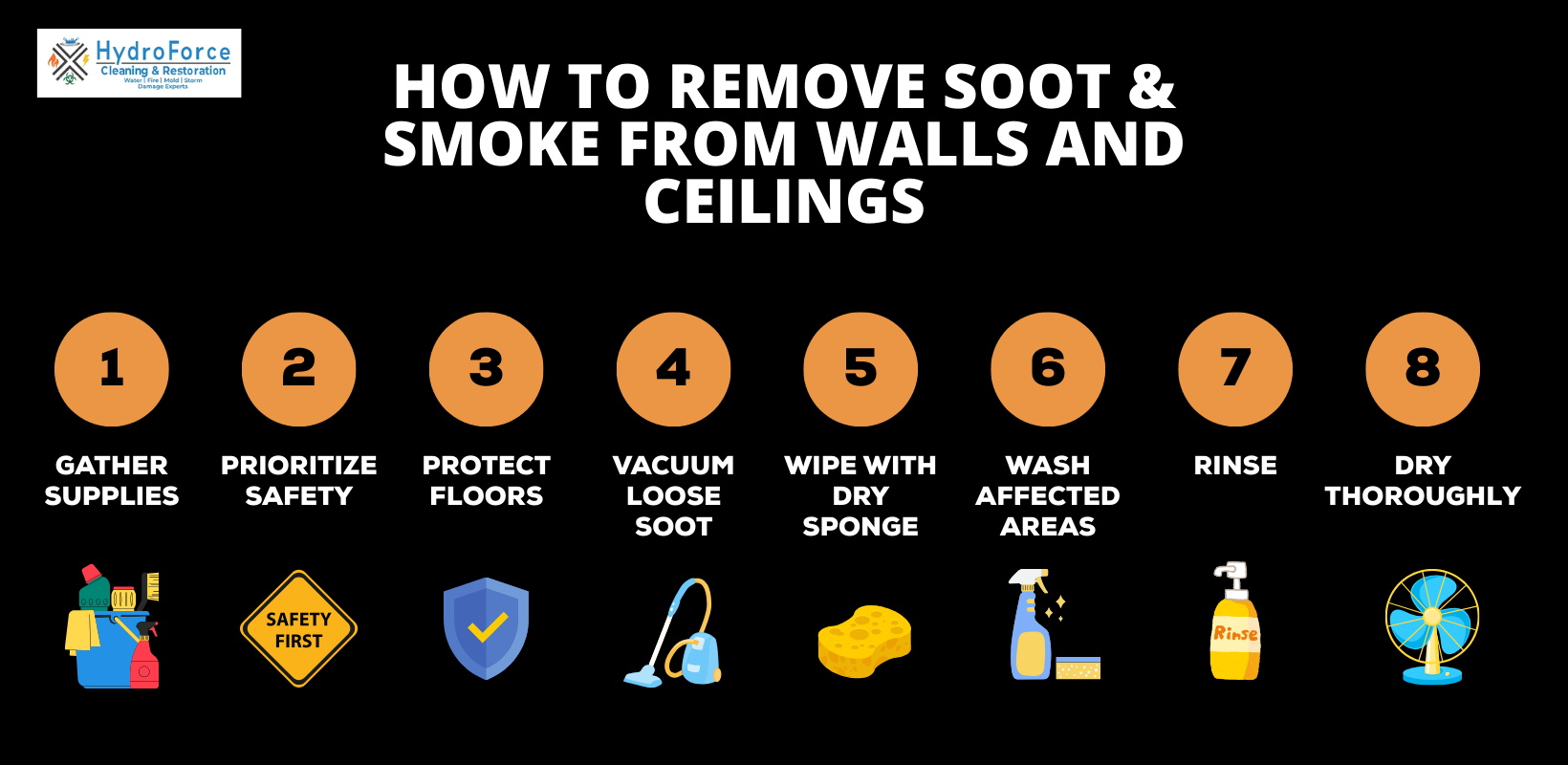
How to remove soot and smoke from walls and ceilings - HydroForce Cleaning and Restoration

Homeowners who intend to clean soot off walls and ceilings should use proper cleaning materials to avoid causing further damage. Always perform a test clean in an inconspicuous spot before fully tackling the walls and ceilings.

1. Gather Supplies

A sponge intended for cleaning soot is known as a dry cleaning or soot sponge. Also, gather a high-alkali detergent, a HEPA vacuum, and cleaning solutions, such as those containing vinegar, baking soda, rubbing alcohol, or hydrogen peroxide. You can also rent a commercial air scrubber from a hardware store.

2. Prioritize Safety

Wear personal protective equipment, such as gloves, long sleeves, and long pants. Put on a face mask to prevent inhaling soot particles, which can damage the lungs and skin. Ventilate the area and turn off the HVAC system to avoid spreading soot.

3. Protect Floors and Furniture

Spread drop cloths or plastic sheets on the floor to prevent falling ceiling soot from staining carpets or flooring. Place coverings on furnishings and household items to protect them during cleanup.

4. Vacuum Loose Soot

Start by vacuuming the ceilings to keep loose soot from falling and adhering to walls. Keep the nozzle about a half inch away from surfaces to prevent smearing or pushing soot deeper.

5. Wipe with a Dry Cleaning Sponge

Use a dry cleaning (soot) sponge to gently lift stains from ceilings and walls. Avoid pressing too hard, as pressure can smear soot. Wipe down light fixtures and ceiling fans, since fans can spread soot if left uncleaned.

6. Wash with Cleaning Solutions

Once dry soot is removed, use a sponge with warm water and mild dish soap to scrub ceilings and walls using circular motions. You can also try a vinegar solution (equal parts vinegar and water).

For oily soot, use trisodium phosphate (TSP) diluted with water, or a commercial soot cleaner. A degreaser may also help with stubborn stains.

7. Rinse Thoroughly

Rinse off all cleaning solutions with clean water. To reduce mold risk, wipe surfaces with a solution of one cup of bleach per gallon of water. Test first to ensure it won’t discolor surfaces.

8. Dry Walls and Ceilings Completely

Dry ceilings and walls with a clean cloth. Speed up drying by opening windows, running fans, or using a dehumidifier. A moisture meter can confirm complete dryness. Avoid repainting until surfaces are fully dry.

Once finished, carefully remove protective coverings to avoid spreading soot. Dispose of soot sponges if they are full or falling apart.

When to Call a Professional for Smoke Damage Cleanup

Cleaning smoke damage is time-sensitive. Soot can spread through HVAC systems, stain surfaces permanently, and cause lingering odors if not addressed properly. Using the wrong cleaning methods—like applying water too soon—can make the damage worse.

That’s why it’s often best to call fire damage restoration professionals. HydroForce Cleaning & Restoration provides IICRC-certified services using advanced cleaning equipment to remove soot, restore surfaces, and improve indoor air quality.

Smoke Damage Restoration in Chicago, IL - HydroForce Cleaning and Restoration

Fire Damage Restoration & Smoke Cleanup in Chicago, IL

Fires can start from kitchen accidents, malfunctioning appliances, candles, or even lightning strikes. leaning smoke damage from walls and ceilings is a time-sensitive task. Soot particles can travel vast distances and adhere to other items in the home, causing significant damage. Plus, soot is harder to clean once it lands in the HVAC system and is carried throughout the property.

No matter the cause, HydroForce Cleaning & Restoration is ready 24/7 to provide reliable smoke and soot damage cleanup. Our experienced crews serve both residential and commercial properties across Chicago, IL, delivering fast and effective fire damage restoration services.

Call HydroForce Cleaning & Restoration today for professional smoke damage cleanup and restoration in Chicago, IL, and the surrounding areas.


Frequently Asked Questions (FAQs)

Professionals clean smoke damage using HEPA vacuums, dry cleaning sponges, and specialized cleaning solutions to remove soot from walls, ceilings, and surfaces. They also use air scrubbers, ozone, or hydroxyl treatments to eliminate odors, and may clean HVAC systems to stop smoke particles from spreading throughout the home.

Cigarette smoke leaves behind a sticky residue called nicotine that clings to walls and ceilings, causing yellow stains and lingering odors. To remove it, start by wiping surfaces with a solution of warm water and white vinegar or a mixture of baking soda and water. For stubborn stains, a degreaser or trisodium phosphate (TSP) diluted with water can help cut through the residue. Always rinse with clean water afterward and dry thoroughly. In severe cases where staining or odor persists, professional cleaning and sealing may be necessary before repainting.

Yes. White vinegar is one of the most effective natural cleaners for removing cigarette smoke residue from walls. Its acidity helps break down the sticky nicotine film while also neutralizing odors. Mix equal parts vinegar and warm water, apply with a sponge or spray bottle, then wipe and rinse with clean water. For heavy buildup, repeat the process or combine vinegar with baking soda for extra cleaning power.

Yes. Soot contains fine carbon particles that can cause respiratory problems when inhaled. Always wear protective gear during cleanup.

Categories
Fire and smoke damage restoration

How Space Heaters Can Cause a Fire in Your Home

24/7 EMERGENCY SERVICE RESIDENTIAL & COMMERCIAL SERVICES

When the weather turns cold, it’s delightful to increase the heat, enjoy the warmth of a fireplace, or cozy up with an electric blanket or space heater. However, it’s crucial to ensure that space heaters are kept clear of any nearby objects to prevent potential fire hazards. This article will explore the different types of electric heaters available today, how they can pose fire risks, safety guidelines for using space heaters, and who to contact for professional fire damage cleanup.

According to the National Fire Protection Association (NFPA), heating equipment is the leading cause of fires in the United States. These incidents can result in significant property damage, injuries, and even fatalities. The Consumer Product Safety Commission reports that space heaters are responsible for approximately 1,200 fires annually. While electric space heaters tend to be more expensive than combustion models, they are safer for indoor use.

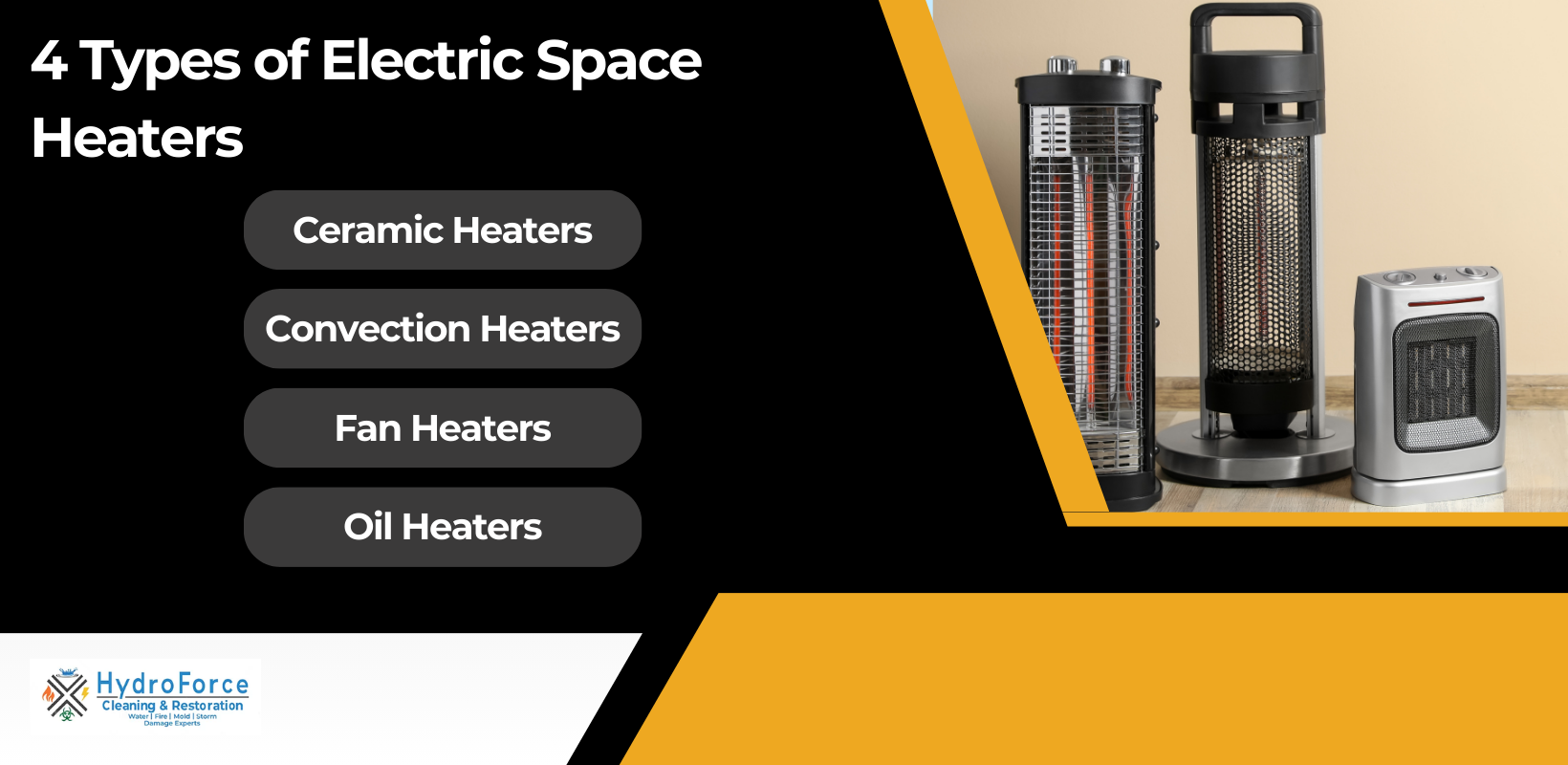
Types of Electric Space Heaters

There are several types of electric space heaters available, and each type can cause fires differently. Understanding the different kinds of space heaters on the market is good for understanding and preventing fires caused by space heaters.

Types of Space Heaters - Hydroforce Cleaning and Restoration

The following are the different types of electric space heaters and how they can cause a fire:

  • Ceramic heaters: Ceramic heaters contain an electric element enclosed within a glass envelope capable of reaching high temperatures.
  • Convection heaters: Convection heaters take in the air from the room and heat it through a heating element before recirculating the air.
  • Fan heaters: Fan heaters, also known as forced convection heaters, use an electric fan to enhance airflow, heat generation, and distribution.
  • Oil heaters: Oil heaters are a type of convection heater that uses an electric heating element to heat oil contained within the heater.

Why do space heaters cause fires?

Understanding why space heaters can cause fires is essential. To help prevent space heater fires, it’s important to recognize the various risks associated with these appliances.

Amount of Current Drawn During Use

One of the primary causes of a space heater fire is an increase in electrical current beyond the appliance’s designated capacity. For electric heaters, the standard rating is 1500 watts, equivalent to 12.5 amps. This represents the safety limit for your home, assuming the power cord is functioning correctly. A defective power cord can lead to a fire hazard. Therefore, it’s crucial to consult the manufacturer’s instructions to determine whether the electrical space heater should be plugged directly into an outlet or if it can safely be used with an extension cord. Following these guidelines can help prevent fires by avoiding the overheating of extension cords.

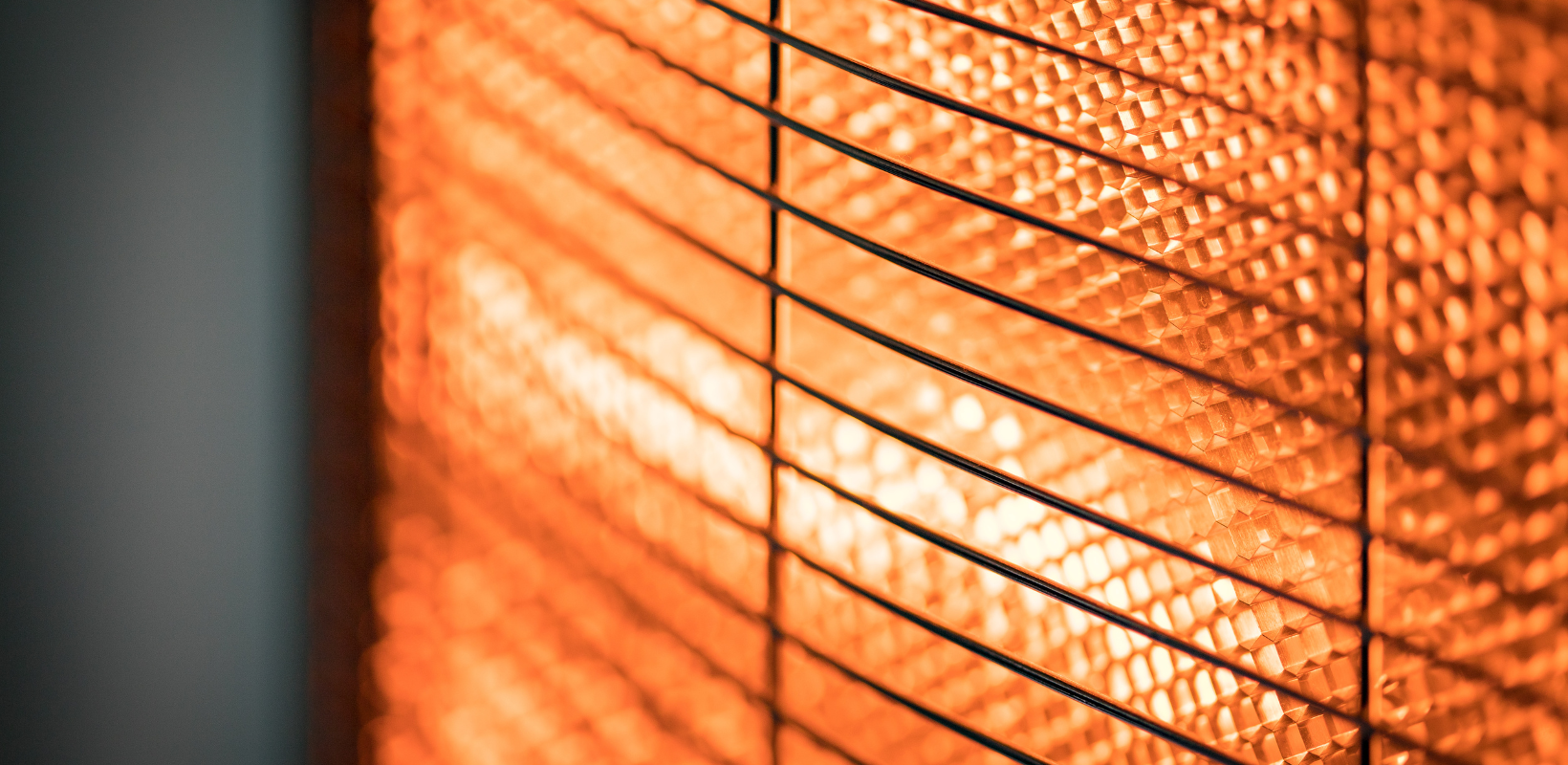
Space Heater Up Close Image - Hydroforce Cleaning and Restoration

Proximity to Combustibles

When using a space heater, it’s crucial to ensure that it is kept away from any combustible materials to prevent fires. Maintain a clearance of at least three feet from combustible items such as paper or fabrics. While some modern heaters come with safety features like automatic shut-off when they tip over or overheat, they cannot detect nearby items that may overheat and ignite.

Guidelines for the Safe Use of Space Heaters

Space heaters are great for providing additional heat on cold days, but they must be used safely to reduce the risk of fires. Here are some safety guidelines you should follow when using them:

  • If you think your space heater is damaged, do not use it.
  • Before you start using the heater, make sure to check the heater itself, including the cord and plug, to see if it has any damage.
  • Always make sure to follow all operation and maintenance instructions from the manufacturer.
  • Check www.SaferProducts.gov to see if your electric heater has been recalled.
  • Make sure you never leave a heater operating while unattended, especially while you are sleeping.
  • Always keep combustible materials including sofas, curtains, paper, and bed sheets three feet away from the front, top, and sides of the heater.
  • The heater plug should always fit tightly into the electrical outlet. If this is not the case, do not use the outlet to power the heater as this increases the risk of a fire.
  • When you are using the heater, check often if the heater plug, cord, wall outlet, or outlet faceplate is hot. Stop using the heater immediately if they are hot to touch. You should then have an electrician check or replace the plug or the outlet. If you notice the cord is hot, make sure to disconnect the heater.
  • Never use extension cords or plug strips unless you are sure that the rating exceeds the heater’s power requirements.
  • The heater should be put on a stable, level surface and it should not be placed in an area where it could be knocked over.
  • Any heater you purchase should have been tested by a Nationally Recognized Testing Laboratory (NRTL). Underwriters Laboratories (UL) is a commonly recognized NRTL in the US.
  • A space heater power cord should never be placed under rugs or carpets as this increases the risk of a fire.
  • To avoid electrical shocks and electrocutions, keep electric space heaters away from water and make sure never to touch an electric heater if it is wet.

Professional Fire Damage Cleanup

Fire Damage Restoration and Repair - HydroForce Cleaning & Restoration


Space heaters can help make a home more comfortable on the coldest winter days, but they are also a fire hazard if not used correctly. When using a space heater, make sure the cord is unobstructed and that the heater itself is at least three feet away from combustibles in every direction. If you notice any type of problem with your space heater, stop using it immediately. You should also never leave a space heater unattended.

Despite taking the necessary precautions, there is still a chance that a space heater can cause a fire. When this happens, you need to call the trusted professionals of HydroForce Cleaning Systems.

HydroForce provides a full range of fire damage restoration services to help restore homes and buildings that have been damaged by a fire, no matter the cause. Our technicians use advanced methods and equipment to clean up smoke and soot, repair structural damage, and remove smoke odors to return your property to its pre-fire condition. You can call HydroForce Cleaning Systems at (630) 835-0862 for emergency fire damage restoration services throughout the Chicago, IL area.

Frequently Asked Questions (FAQs)

Space heaters can start fires if they are placed too close to flammable materials like curtains, furniture, or bedding. Faulty wiring, overheating, or leaving a heater unattended also increases the risk of fire.

Yes, space heaters with built-in safety features—such as automatic shut-off, tip-over protection, and overheat sensors—are generally safer. Always follow the manufacturer’s instructions and use heaters certified by safety organizations like UL.

Keep heaters at least three feet away from anything flammable, never leave them unattended, and avoid using extension cords. Place heaters on a stable, level surface and turn them off before going to bed or leaving the room.

For small fires, use a fire extinguisher rated for electrical fires (Class C). If the fire spreads, evacuate immediately and call emergency services. Prevention is key, so regular inspection and safe usage are critical.

Categories
Fire and smoke damage restoration

Tips to Remove Smoke Odors After a House Fire

24/7 EMERGENCY SERVICE RESIDENTIAL & COMMERCIAL SERVICES

Fires can strike at any moment, causing significant damage to homes and businesses. The top priority is always ensuring the safety of all occupants. Once their safety is secured, the next crucial step is addressing smoke and soot removal. Removing smoke odor, however, poses a challenge, as it often clings stubbornly to walls, furniture, and other surviving items. Although difficult, eliminating smoke odors from a property is achievable. This guide will explore post-fire actions, crucial factors in smoke odor removal, and detailed steps to eradicate smoke damage from your home.

Review the Damage

Smoke residue, soot, and odors can cause significant property damage. The ease of restoring a space depends on the materials burned during the fire. Generally, soot from wood and paper is less oily than that from plastic furniture, carpet, or insulation. Burning plastic releases hydrochloric, hydrofluoric, and hydrobromic acids, among other reactive agents, in varying amounts. Furthermore, acid exposure leads to corrosion, and high humidity levels can exacerbate the activation of these corrosive elements.

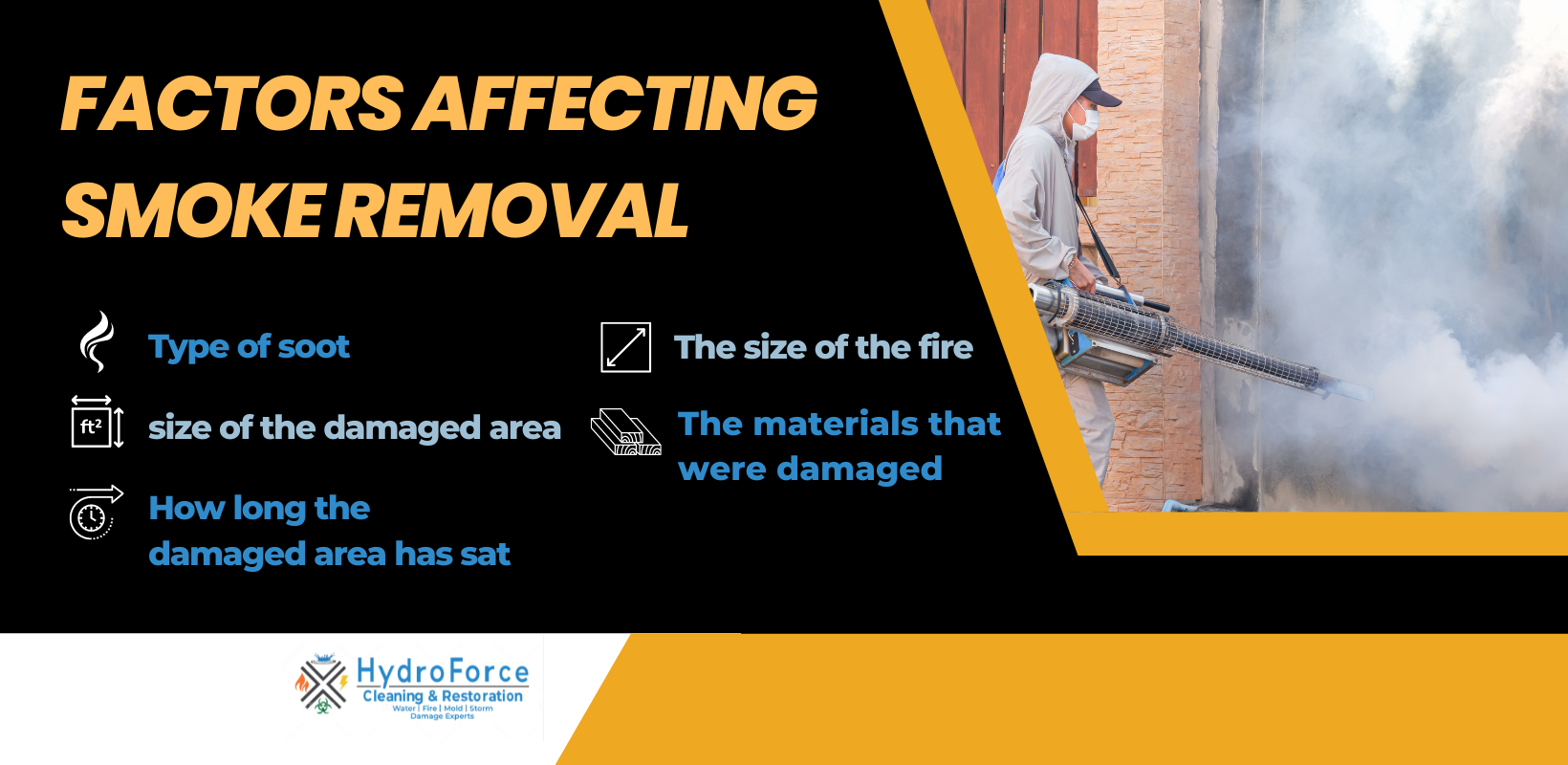
Factors Affecting Smoke Removal

Factors Affecting Smoke Removal

Restoring a fire-damaged home or business is possible. The process typically involves removing charred materials and using dehumidification and decontamination to lower humidity levels. This allows the space to be restored to normal use. Smoke odors usually cannot be eliminated by simply airing out the area due to the presence of soot, which must be addressed. Generally, vapor barriers made from heavy plastic sheeting are used to seal off the burned section or to protect untouched areas.

Professional fire damage restoration companies will remove smoke odors in various ways, depending on several factors. Here are some factors they will consider:

  • Type of soot.
  • The actual size of the damaged area.
  • How long the damaged area has sat after a fire. Smoke and soot continue to spread after a fire which means the damage will worsen as more time passes before the restoration.
  • The size of the fire. The bigger the fire, the more smoke it will produce.
  • The materials that were damaged. If you’ve had odorous materials burned in the fire, which include plastics, it can make it more difficult to remove the smell. Smoke will get absorbed by fabric including curtains, furniture, and even carpeting, therefore, those items will need to be cleaned if they were exposed to it.

Often, if the contents have been damaged by fire, replacement may be necessary. Fire restoration companies typically conduct a test cleaning to determine if items can be restored, ensuring cost-effectiveness in the process. Such restoration can be carried out either on-site or off-site.

What steps should you take to remove smoke odors?

Smoke odors can quickly cling to porous items and materials, so it’s crucial to remove them from your property promptly after a fire. The presence of smoke can also affect the air quality in your home, posing health risks. After the fire in your home has been put out and it is safe to return, follow these steps to reduce the smoke odor in your home:

Air Out Your Home

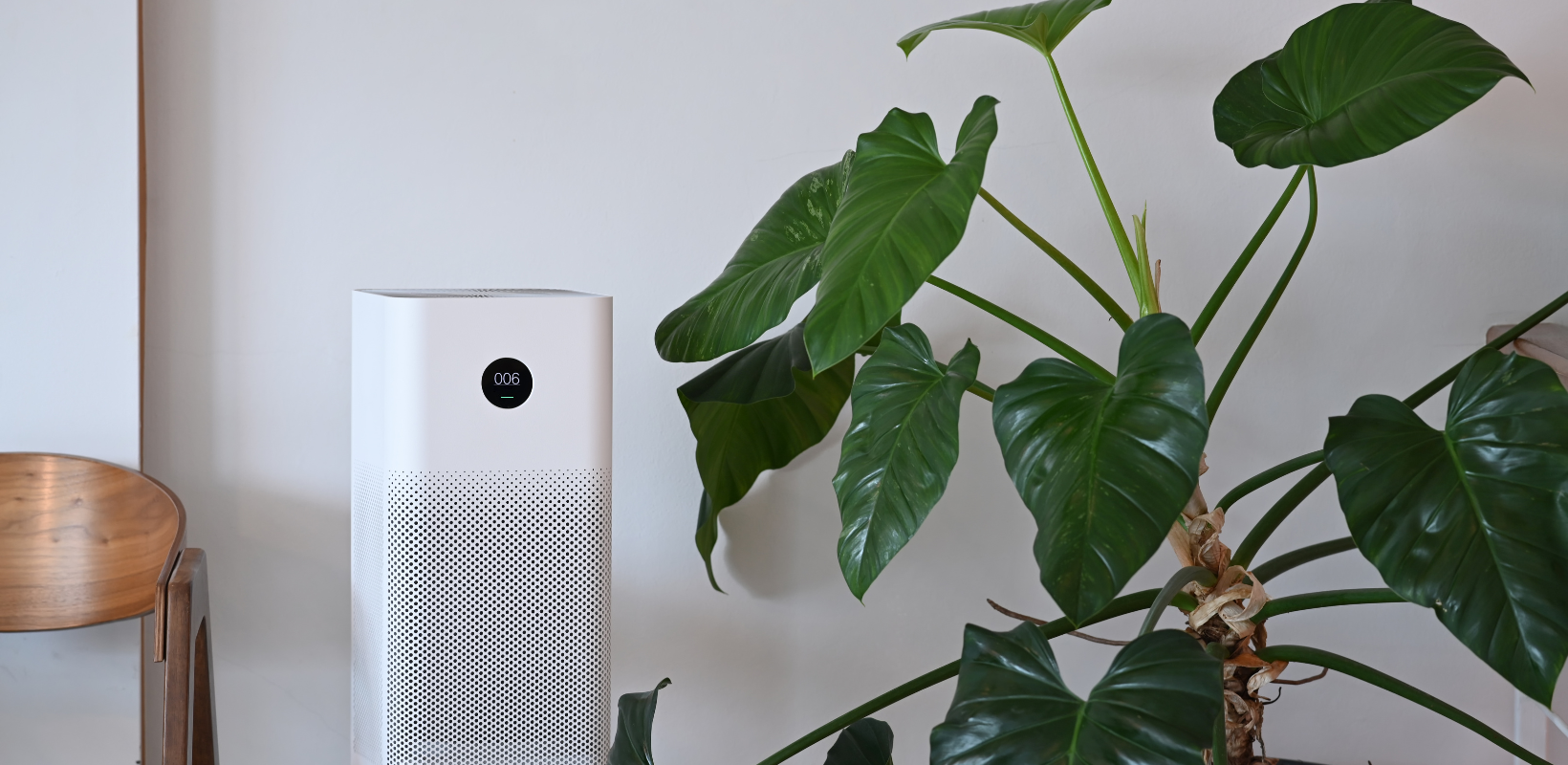
Air Out Your Home with Air purifier and houseplant in living room.

After a fire, smoke can persist in your home, leaving behind an unmistakable odor. Tiny smoke particles cling to surfaces such as furniture, clothing, carpets, and paint. Surface cleaning alone cannot eradicate these particles entirely, making it important to take swift action to eliminate the smoke smell and prevent inhaling these harmful smoke particles.

Airing out your home is essential. Open all windows and doors to ventilate the area and consider removing screens for optimal airflow. Strategically place fans in the corners, directing them towards the windows. Once activated, these fans will help expel the lingering fire smell more effectively.

Create Positive Pressure

Set a fan outside your front door and face it inward. Then close all the doors and windows while keeping the front door and window open and let the fan run for at least 15 minutes. This will allow fresh air into the room. Then, close the window and the door in that room. Move to another room with smoke odor and repeat the process.

Wash All Impacted Surfaces

Smoke and soot can spread anywhere in your home after a fire, including areas that the fire did not reach. The soot will settle on surfaces and objects throughout the affected area, and it must be cleaned to prevent further damage. These tips will help you clean some of the impacted surfaces and materials:

  • Remove all the fabrics and clean them:

Make sure to remove all duvets, blankets, area rugs, and even curtains and wash them. Also, wash any clothes, towels, and linens if they were exposed to smoke. If you have any clean fabric items, make sure to keep them out of the home until the smoke smell is fully gone as they will not absorb the smell.

  • Clean your windows:

Use a solution of hot water and white vinegar to clean your windows. Make sure to clean all areas of the window such as windowpanes, frames, sills, blinds, and screens. The windowpanes should be shiny and transparent. If they are not, that means that smoke may still be lingering. Window screens should be put in a tub or basin and cleaned with dish soap, then rinsed with cool water and dried in the fresh air.

  • Clean all solid surfaces:

Use a mixture of warm water, white vinegar, and dish soap to wipe down all walls and ceilings, doors and doorframes, baseboards, cabinets, shelves, light fixtures and light switches. All uncarpeted floors should be mopped. The mop should also be rinsed regularly, so you do not end up spreading the smoke particles back on the floor.

  • Clean the carpets:

Smoke particles can also linger in your carpets, so be sure to clean your carpets and upholstery. Sprinkle baking soda on them, let it sit for a few hours to absorb the odors, and then vacuum with a HEPA vacuum. For silk carpets or leather upholstery, hire a professional carpet cleaner to avoid potential damage.

Learn more about How to Remove Cigarette Smoke Odors from a Leather Couch.

Clean HVAC Systems and Air Ducts

After a fire, it’s important to clean and deodorize the HVAC system and air ducts as soot particles can become trapped in the filtration system. Ensure that registers and ductwork are inspected, and if found contaminated, they should be thoroughly cleaned. Additionally, introduce a neutralizing agent into your ductwork to eliminate odors, and apply a duct sealer to contain any residual smells.

Professional Smoke Removal

Fire Damage Restoration and Repair - HydroForce Cleaning & Restoration

Have you faced a fire at your home or business? Our team at HydroForce Cleaning and Restoration is here to assist! Equipped with specialized tools and techniques, our professionals expertly clean and restore spaces affected by fire. With extensive experience in smoke remediation, we ensure your space is returned to its pre-fire condition, giving you peace of mind.

We will promptly arrive and start the restoration process to limit the damage. Regardless of the extent of the damage, we are committed to restoring your space swiftly and efficiently. For professional smoke damage and odor removal, contact HydroForce Cleaning and Restoration at (630) 835-0862.

Frequently Asked Questions (FAQs)

Smoke odors can be reduced by thoroughly ventilating the home, cleaning all surfaces with specialized smoke-cleaning products, washing fabrics, and using air purifiers or ozone treatments. Persistent odors may require professional fire damage restoration.

The time varies depending on the severity of the fire and the materials affected. Light smoke odors may dissipate within days with proper cleaning and ventilation, while heavy smoke damage can take weeks and often needs professional remediation.

Yes, lingering smoke particles contain harmful chemicals that can irritate the lungs and eyes. Proper cleaning and air purification are essential to make your home safe after a fire.

For severe smoke damage or odor that penetrates walls, carpets, and HVAC systems, professional restoration is recommended. Experts have the tools and knowledge to fully eliminate odors and prevent long-term damage.

Categories
Fire and smoke damage restoration

How to Remove Cigarette Smoke Odors from a Leather Couch

24/7 EMERGENCY SERVICE RESIDENTIAL & COMMERCIAL SERVICES

How to Remove Cigarette Smoke Odors from a Leather Couch

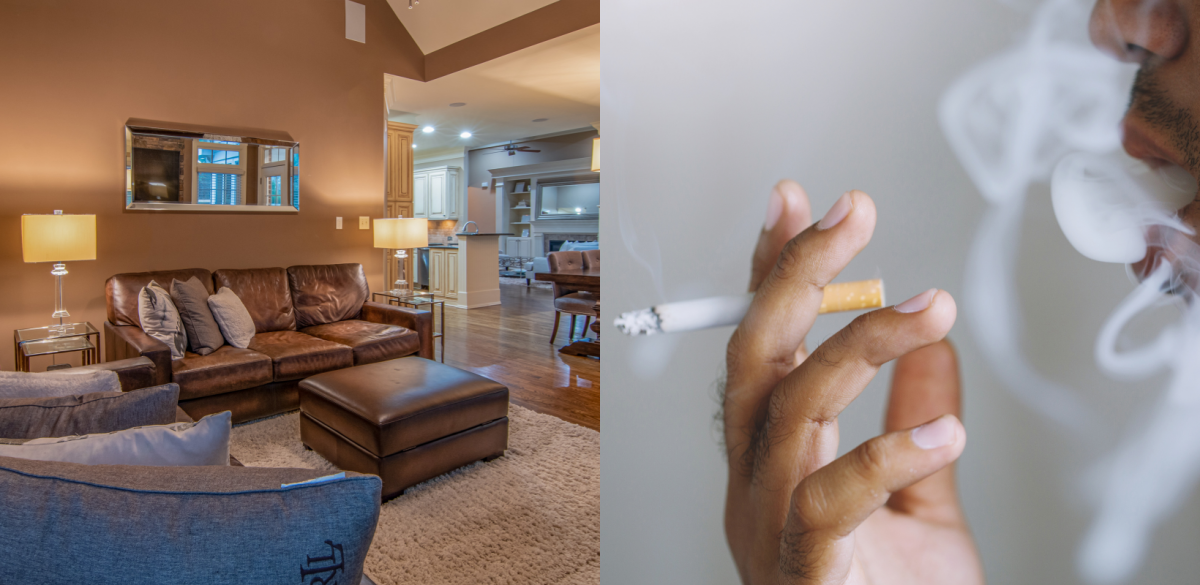
Leather couches are easy to maintain with proper care. Quick action is crucial when addressing issues, especially with cigarette smoke and tar. The longer smoke lingers on your leather couch, the harder it is to eliminate the smell.

In this article, we’ll explore various methods to remove cigarette odors from leather furniture. While these solutions aren’t foolproof, they can be effective depending on your specific situation. Always test any method on a small, inconspicuous area first, and be mindful of the couch material to avoid damage. Lastly, we’ll discuss how to prevent cigarette smoke from settling on your furniture and in your home, whether you’re a smoker or have smoking visitors.

Why Does Cigarette Smoke Stick to Leather?

Leather is known as a porous material that easily absorbs particles and odors. Although it appears smooth and non-absorbent, leather contains microscopic pores that trap cigarette smoke, tar, and nicotine. Here’s a breakdown of why cigarette smoke sticks to leather couches:

  • Porous Material: Leather has microscopic pores that absorb smoke.
  • Tar & Nicotine Residue: Smoke leaves a sticky residue on leather materials.
  • Chemical Absorption: Smoke contains thousands of chemicals that easily become trapped in leather.
  • Poor Ventilation: In closed spaces, smoke particles linger and settle onto surfaces.
  • Smoke Film: The film created by smoke creates a thin, greasy layer that holds odors.

Why is Smoke Difficult to Remove from Leather?

Smoke consists of tiny particles containing soot, tar, and oils that cling to surfaces and penetrate deep into leather, making it difficult to remove. As these particles easily settle into the leather fabric, odors become increasingly challenging to remove without specialized treatments. Due to the delicacy of leather, harsh chemicals or abrasive cleaning methods can lead to discoloration, cracking, or drying.

What are the Different Kinds of Leather?

To effectively remove cigarette smoke from leather, it is important to understand the type of leather you are working with. Whether you have genuine leather or faux leather, the cleaning process will vary.

Genuine leather is more absorbent and delicate, making it sensitive to some cleaning methods. If the cigarette odors are not removed from your leather couch after utilizing the following cleaning methods, you may want to consider treating the cushions within the leather as they can absorb the particles.

Methods to Remove Cigarette Smoke Odors from Your Couch

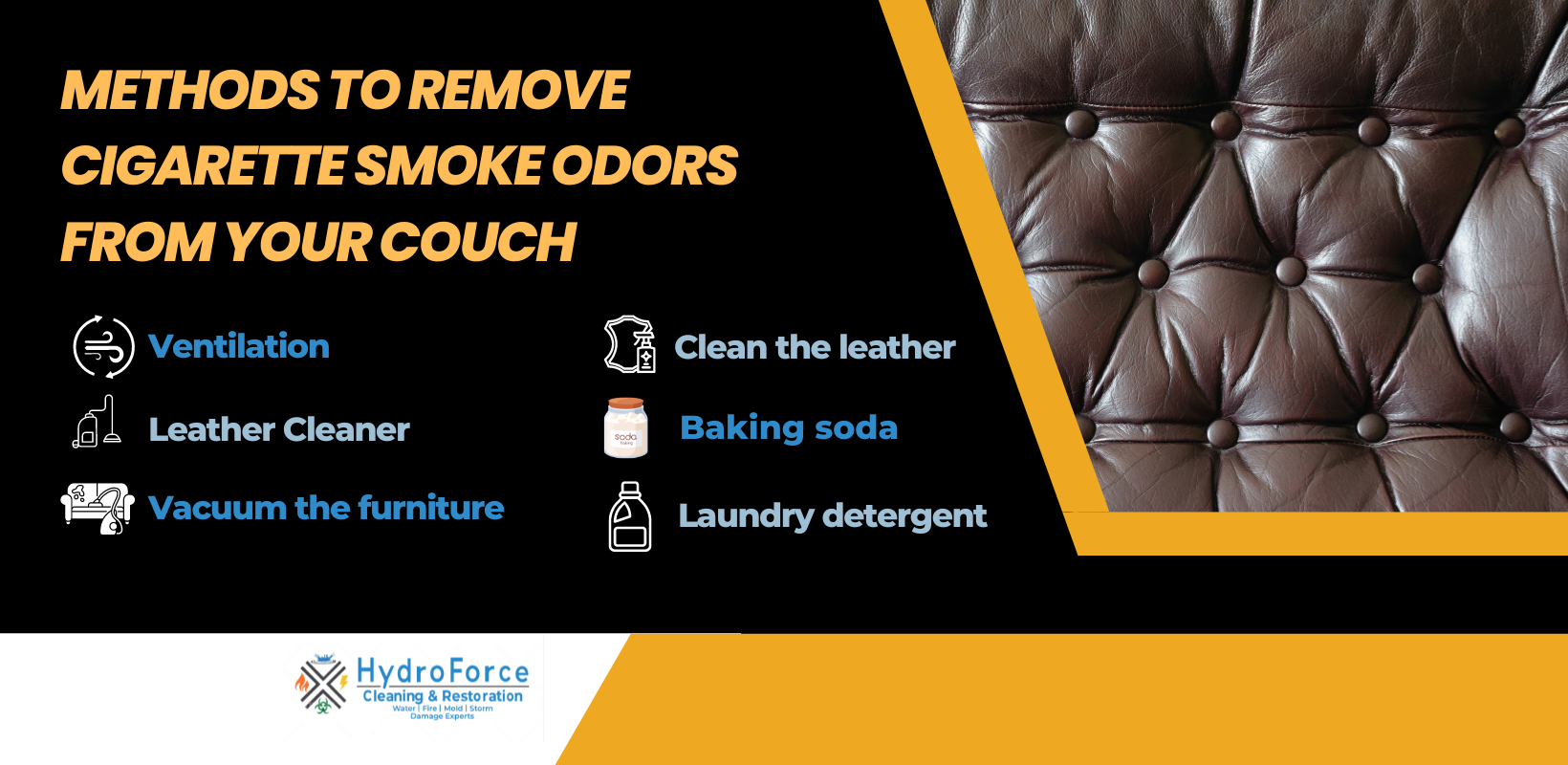
Methods to Remove Cigarette Smoke Odors from Your Couch

There are several methods you can use to remove cigarette smoke or tar from your leather couches. To prevent damage to the material, it’s essential to follow instructions carefully. Here are some options:

  • Ventilation: Try ventilating the room first to remove smoke odors from your leather couches. This is most likely to be effective if the odor is recent to the leather couch and the room. You can also use an exhaust fan to help eliminate the smoke odor. Make sure to direct the air toward a door or a window so it can be removed from the room, and open windows to let the fresh air in.
  • Leather Cleaner: You can purchase leather cleaner at home improvement stores or online. It effectively removes cigarette odor from leather surfaces and restores the leather’s pH balance, ensuring any lingering smells are eliminated. Be sure to use a high-quality leather cleaner and apply it thoroughly, especially to the seating and back areas, which are most prone to absorbing smoke.
  • Vacuum the furniture: Use the flat brush attachment to swiftly and efficiently vacuum up any soot, ensuring you hold the brush above the leather surface. Then, gently clean the leather with a soft cloth and a specialized leather soap or conditioner.
  • Clean the leather: To clean leather or vinyl, use rubbing alcohol or a 1:1 mixture of white vinegar and water. Separate your furniture as much as possible to access all crevices and improve ventilation. Apply the solution with a soft cloth, ensuring you do not over-saturate the leather.
  • Baking soda: Since baking soda is a natural deodorizer that can absorb the smoke odors from leather. Using baking soda is a great way to get smoke removed from smaller leather items such as wallets, shoes, key chains etc. and it can be applied to leather couches.
  • Laundry detergent: Put a couple of drops of mild laundry detergent in a spray bottle and just add warm water. Spray this solution on your couch and then wipe it down with a clean cloth.

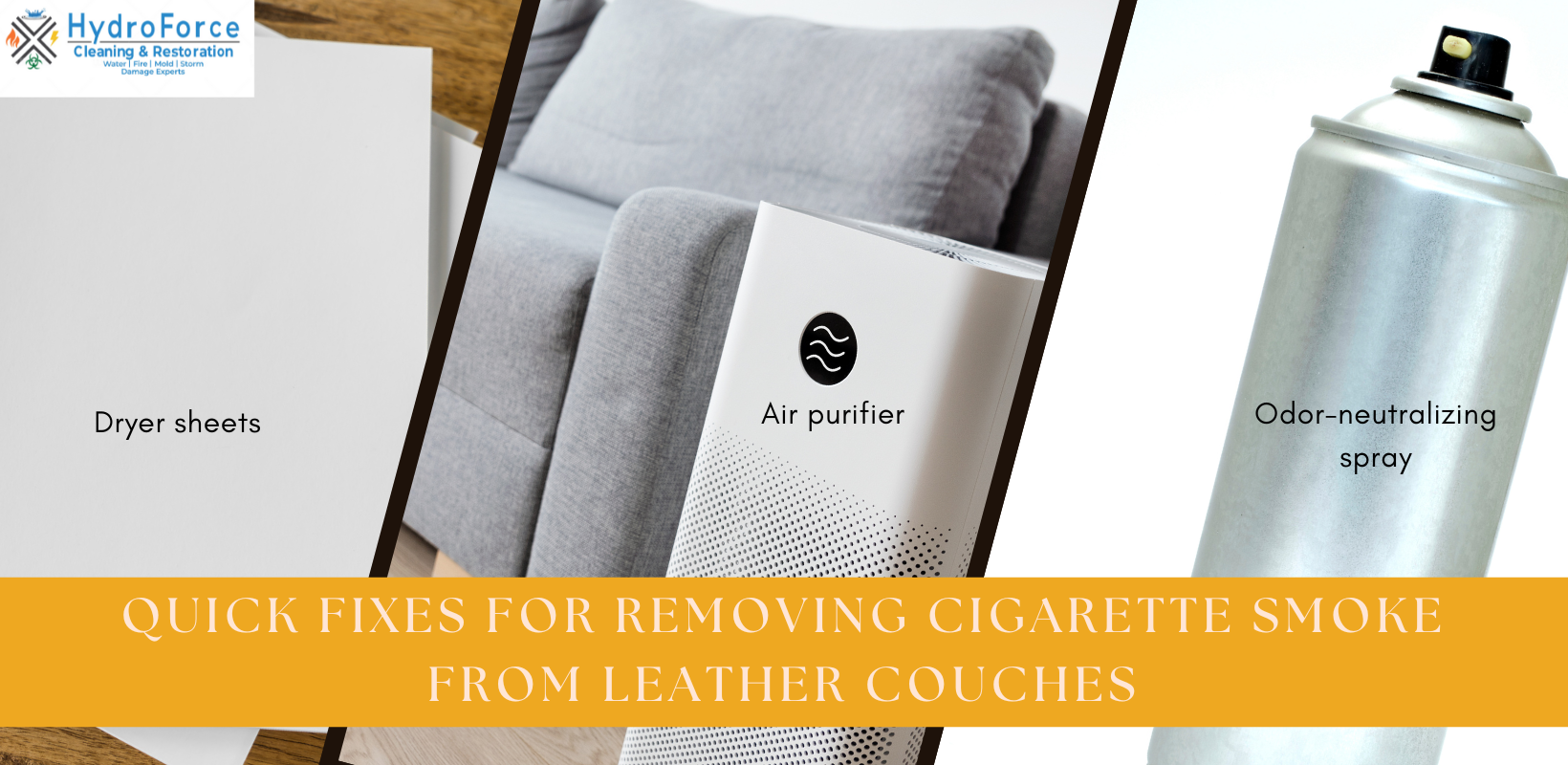
Quick fixes for removing cigarette smoke from leather couches:

Quick fixes for removing cigarette smoke from leather couches

  • Dryer sheets: Insert dryer sheets on the inside of the cushions or other areas you cannot see to help eliminate the lingering odor.
  • Air purifier: Use an air purifier to mask the cigarette smell in your home. You can purchase one online or at a home improvement store. This will help mask the smell temporarily until you have more time to dedicate to properly cleaning the cigarette odor from your leather couches.
  • Odor-neutralizing spray: This is a temporary solution for eliminating smoke odor from your home. Avoid spraying too close to the furniture to prevent potential staining and damage.

Please note: The methods mentioned above may end up discoloring the leather on your furniture which may require additional restoration. It is always best to try a new cleaning method on a small hidden area first to see how it affects the leather upholstery.

Preventing Cigarette Smoke from Lingering on Leather Furniture

If you’ve ever had to remove cigarette odor from leather furniture, you know that it requires a lot of time and effort. This is why it is important to prevent this issue from happening. The best way to protect your furniture from cigarette smoke is to not smoke near the furniture. Some other options include standing near a window so that the smell does not linger inside the room. You can also blow smoke out so that it does not stay inside the room using an exhaust fan.

Regular dusting of the room is essential. Dust particles can trap smoke odors, causing them to linger longer. You can prevent the transfer of smoke smell to leather furniture by keeping all non-porous surfaces, including leather, clean. Always dust and wipe down these areas to minimize smoke residue.

Additionally, never leave cigarette butts in the room, even in an ashtray. Dispose of them in a garbage can and wrap them in a paper towel to prevent further odors. This practice ensures a fresher, cleaner environment.

If you follow the above-mentioned steps, it will help keep your home free of cigarette odors and keep your leather furniture smelling fresh instead of like cigarette smoke.

Professional Smoke Odor and Fire Damage Restoration

Fire Damage Restoration and Repair - HydroForce Cleaning & Restoration

Smoke odors, especially odors from cigarettes, are persistent and will linger for a long time unless the proper steps are taken to remove them. You can remove the smoke odors by following the steps above but if you cannot remove the odor yourself, you may need to seek the help of a professional that can provide advanced deodorization.

No matter what caused the smoke odor, whether a fire or cigarettes, our professionals at HydroForce Cleaning and Restoration can help with our fire and smoke damage restoration services. We use advanced equipment and methods to clean, dry, and restore your property back to its original state. We can also fully deodorize your home using professional deodorization methods. For your smoke odor removal needs, make sure to call HydroForce Cleaning and Restoration at (630) 835-0862.

Frequently Asked Questions (FAQs)

You can reduce cigarette smoke smell naturally by ventilating the room, wiping the leather with a diluted vinegar and water solution, and allowing baking soda to absorb odors nearby. Natural methods help with mild odors but may not remove deeply embedded smoke particles.

Cigarette smoke can cause long-term damage to leather if exposure continues over time. Tar and nicotine residue can dry out leather, cause discoloration, and weaken protective finishes, especially if the smoke odor is not removed promptly.

Yes. Leather is a porous material with microscopic pores that absorb smoke particles, tar, and nicotine. Even protected leather can trap odors in seams, cushions, and padding beneath the surface.

Baking soda can be used cautiously to absorb odors around leather furniture, but it should not be heavily rubbed into the leather surface. Excessive use can dry out leather and affect its finish.

Leather-specific cleaners are effective for removing surface residue and light smoke odors. They are less effective when odors have been absorbed deep into the leather or underlying materials.

Categories
Fire and smoke damage restoration

How to Clear Wildfire Smoke from the Home

24/7 EMERGENCY SERVICE RESIDENTIAL & COMMERCIAL SERVICES

Optimum air quality is essential for health. Blazing wildfires send wafts of smoke into communities, polluting the air people breathe. The air inside homes, too, reaches unhealthy levels because of smoke damage, leaving occupants irritated and nauseous. It’s important to clear wildfire smoke from the home.

Forests in Quebec, Canada, are blazing and sending billowing clouds of dark smoke to the surrounding areas. Currently, 492 active fires burn across Canada, with nearly half of them burning out of control. The fires from May and June do not show any signs of abating.

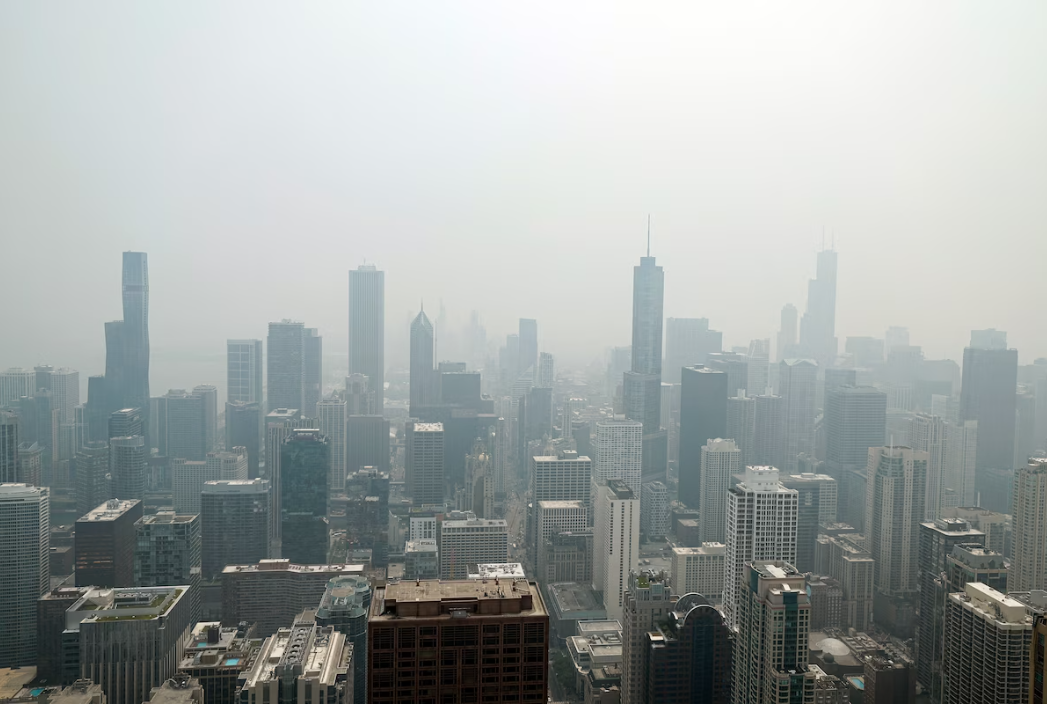
The Canadian wildfires affect the air quality in the US. Chicago, Illinois, primarily, has reached the top of the list of major cities with the worst air quality. Minneapolis, Minnesota, and Detroit, Michigan, have also won spots in the top 10 cities with unhealthy air quality.

These cities are only a handful of the many metropolitan areas in the US that have seen drastic reductions in air quality as a result of the Canadian wildfires in the past two months. Air quality alerts have forced residents to limit their time outdoors.

Outdoor air quality may be at unhealthy levels, causing people to scramble indoors. But smoke damage from wildfires can also impact the quality of air inside the home. Smoke odors can cause nausea, headaches, and constant irritation, prompting homeowners to rid their homes of smoke.

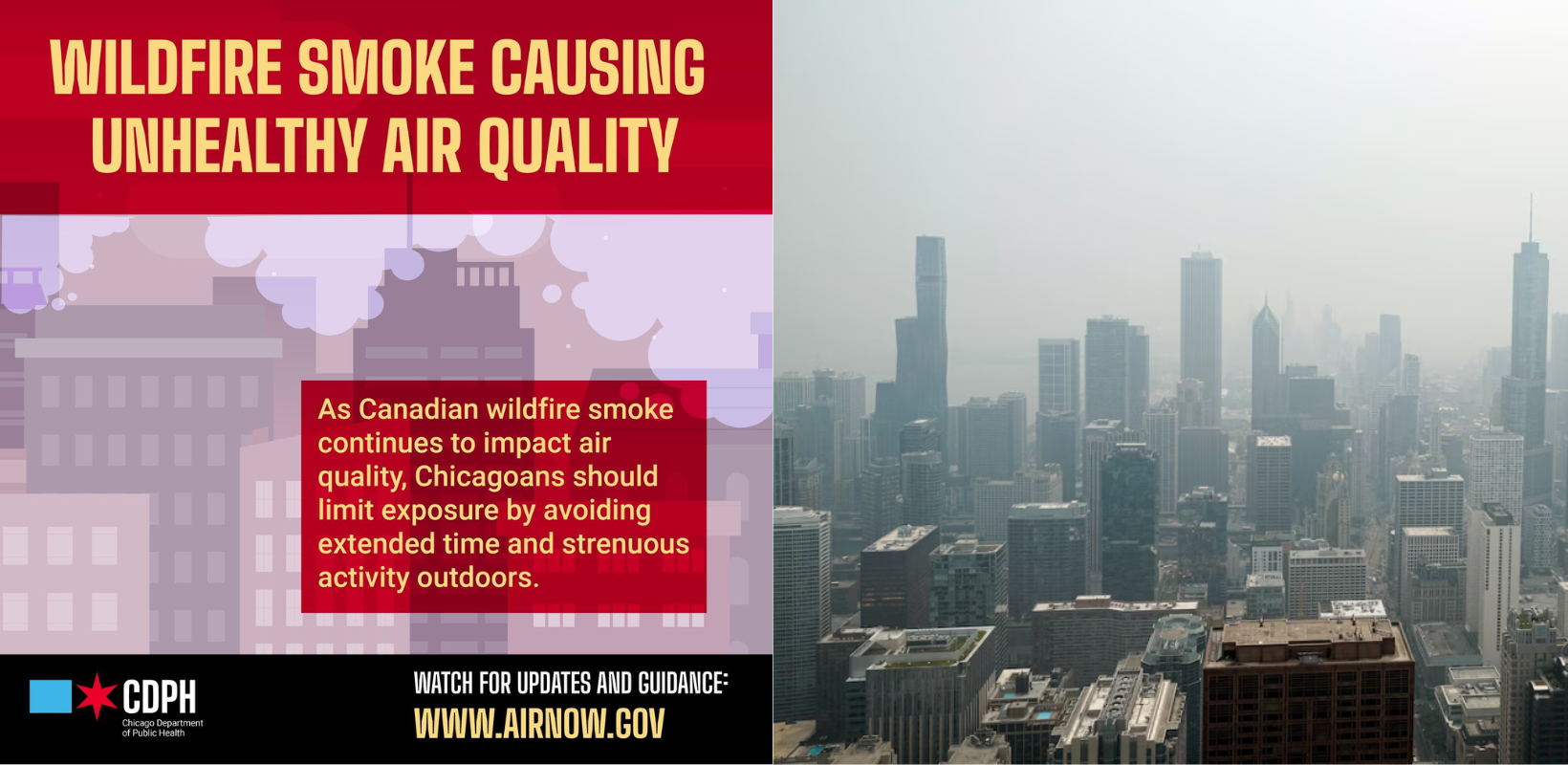
Wildfire smile causing unhealthy air quality - by Chicago Department of Public Health

How long does wildfire smoke odor last in the home?

Smoke odors can last inside the home for as long as the smoke particles are left uncleaned. Smoke particles are microscopic and travel far, blanketing surfaces in the home and damaging goods. Although smoke particles cannot be seen, they are still a cause of smoke damage.

Even after scrubbing the home clean, smoke odors can linger. The only way to eliminate the awful odors is to eradicate the source of the smell—meaning every trace of smoke must be removed. An ozone generator is useful in destroying the smoke molecules causing the odors.

How long does it take to remove smoke odor?

Rugs, furniture, and carpets absorb smoke particles, making it difficult to remove the smoke odors. Worsening matters is waiting to clean up the smoke damage, which intensifies the longer a homeowner procrastinates. Begin cleanup a few days after the blaze has been extinguished.

Depending on how diligently homeowners clean, the smoke damage can be cleared in an estimated two to four weeks. However, a more precise timeline can be determined by the cleaning methods the homeowner uses or whether a smoke damage restoration service is hired.

Will an air conditioner filter out smoke?

Air conditioners are intended to cool air, not purify it. However, they can help improve air quality. The filter is the most critical component to the success of maximizing air purification. An air filter designed specifically for wildfire smoke works to filter odors, chemicals, and particulate matter.

What are the steps to clear wildfire smoke?

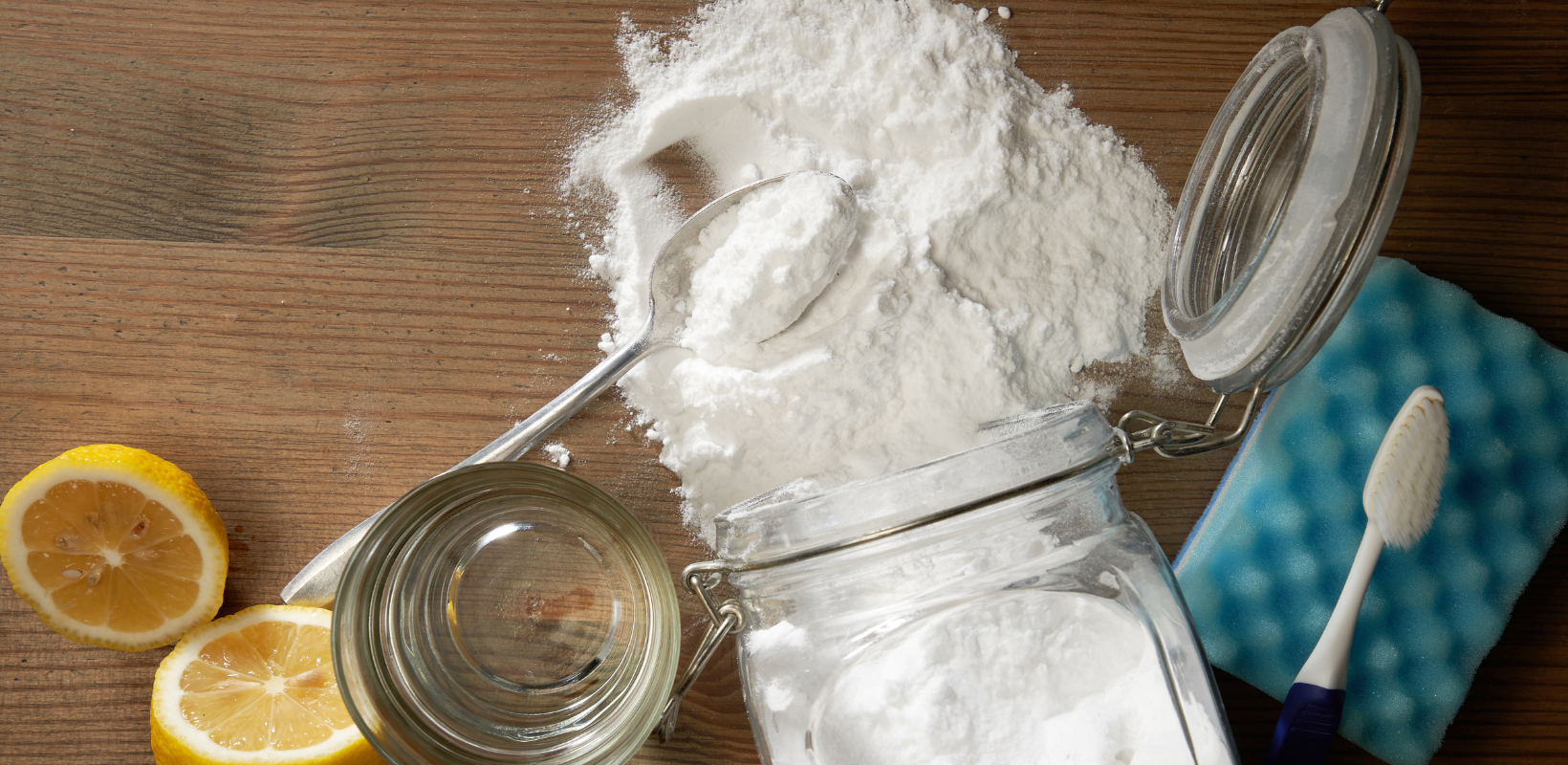
Step 1: Place baking soda throughout the home

A few simple steps can clear the home of wildfire smoke damage. A household staple, baking soda, is powerful enough to handle the task. Place bowls of baking soda throughout the home. The baking soda will absorb the smoke odors.

Place baking soda throughout the home

Step 2: Increase ventilation

Open the windows to increase ventilation. Smoke particles will be pushed out when fresh air rushes in. Run multiple fans in the affected spaces, which further increases the flow of fresh air. Set up an exhaust fan at the front door, ensuring it faces the interior.

Step 3: Wipe down walls and surfaces

Wipe down walls that have been affected by smoke damage. Mild soap and a clean rag are enough to remove the smell from these surfaces. Use cleaning products on countertops and similar hard surfaces to remove lingering soot and odors.

Step 4: Shampoo carpets

Fabrics, such as curtains, bed linens, and carpets, must be cleaned. Shampoo the carpets or hire a professional service to remove the offensive smells. Upholstered furniture may have to be replaced if the smoke odors have permeated deep into the materials.

Step 5: Clean the exterior

Clean the outside of the home, too, in order to lessen the smoke damage indoors. A power washer can be used to rinse the exterior, including the siding, windows, and deck. Removing smoke particles on the exterior can prevent them from seeping back inside later.

When wildfires blaze, the destruction is not contained. Nearby localities can be severely impacted and require professionals to remove the smoke. If your city has been engulfed in wildfire smoke, your home will need the expertise of the smoke damage restoration crews at Hydroforce Cleaning and Restoration.

We provide efficient smoke and soot damage restoration services that return your home or business to its pre-loss condition fast. Our team of highly qualified technicians arrive at your home, perform an assessment of the damage, and tarp the building, if necessary, to stabilize it.

Specialists begin pre-cleaning immediately to stop the spread of soot damage on surfaces and materials. We also clean and restore upholstery and fabrics. When clothing and linens are affected, our convenient content cleaning and pack-out services will be an invaluable resource.

Hydroforce Restoration specialists

Hydroforce Cleaning and Restoration crews also provide odor removal services, ensuring the air quality inside your home or business returns to an optimal level. Smoke damage cleanup delivers the best results when the property owner initiates cleanup promptly after the fire is extinguished.

Even after the flames have been extinguished, damage continues in the form of soot, smoke, and other corrosive byproducts of the fire. Certain household materials can become permanently damaged within a few hours to a few days if cleanup is not immediately begun.

Hydroforce Cleaning and Restoration technicians stand by 24 hours a day to respond quickly to property smoke damage. Homes and businesses in Chicago, Illinois, and the surrounding neighborhoods, can count on us for thorough smoke cleaning and smoke odor removal by calling 630-835-0862.