
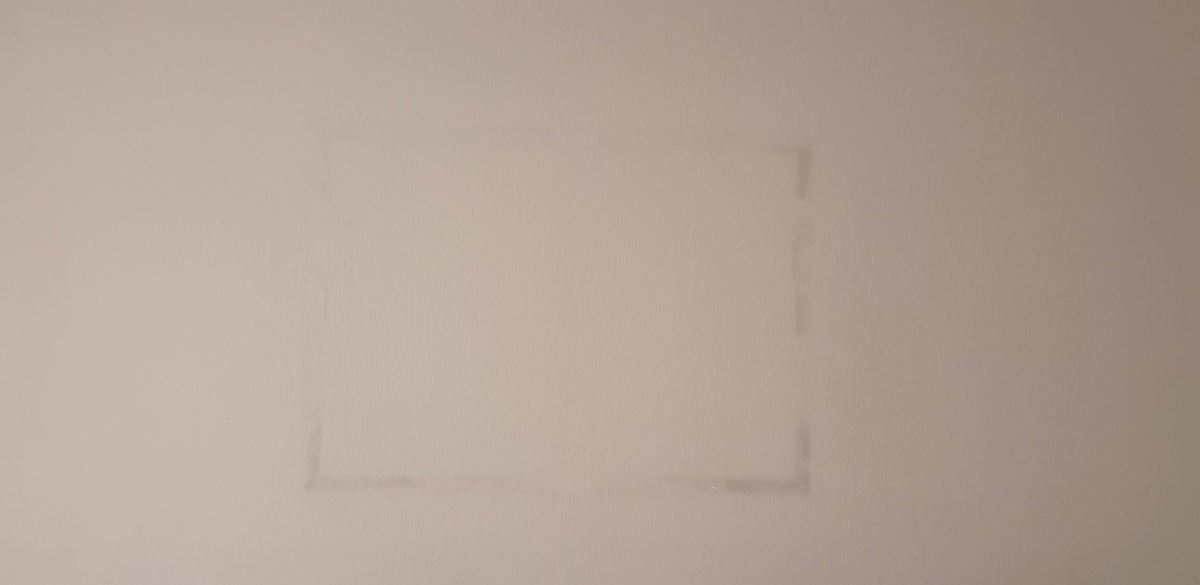

Ghosting on walls and ceilings can look alarming, but it’s usually manageable and not dangerous. Whether you’re dealing with minor stains you can clean yourself or larger areas that may require professional restoration help, ghosting is a common issue with practical solutions.
In this guide, we’ll cover what ghosting is, its causes, whether it’s a health risk, how to remove it, and steps you can take to prevent future wall and ceiling discoloration.
What Is Ghosting on Walls and Ceilings?
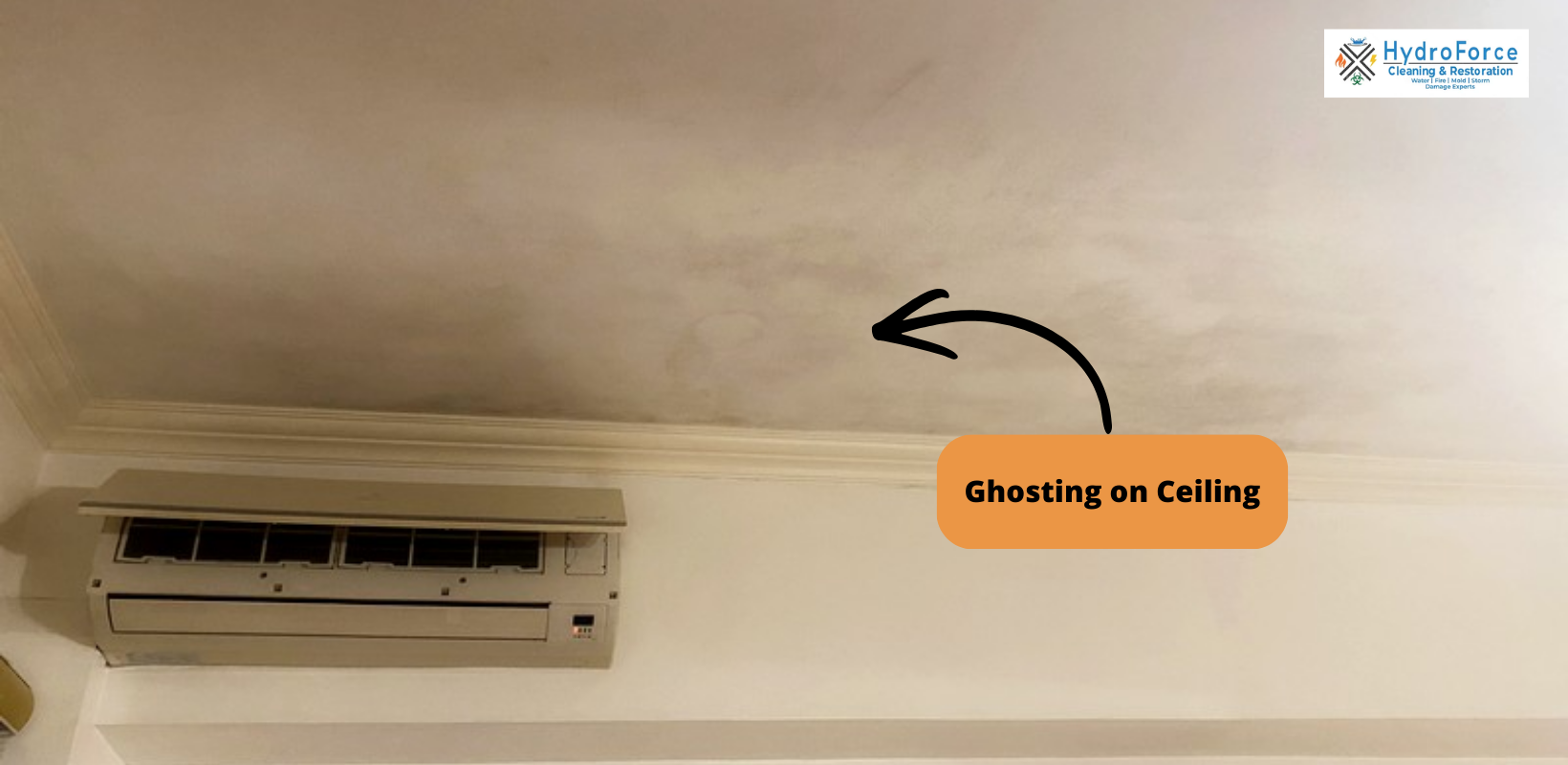
Ghosting stains, also called thermal ghosting or soot stains, appear as dark streaks or lines on walls and ceilings. These marks are often mistaken for smoke damage or mold growth, but they are not microbial.
Ghosting forms when airborne particles like dust, soot, or dirt stick to cooler surfaces. Condensation caused by temperature differences makes these particles adhere. Over time, the patterns reveal the underlying structure behind the drywall, a process known as thermal tracking.
While ghosting is generally harmless, it can indicate humidity issues, poor ventilation, or insulation gaps that should be addressed to prevent recurrence.
Quick Definition: Ghosting is the buildup of airborne particles on cooler wall and ceiling surfaces, often forming dark streaks along studs or joists.
Common Causes of Ghosting Stains
Ghosting can develop for several reasons in both homes and commercial buildings. Most causes are related to airborne particles, temperature differences, and moisture conditions. Here are the most common contributors.
1. Indoor Soot and Air Particle Buildup
When soot, dust, or other fine particles circulate through the air, they eventually settle on walls and ceilings. Over time, this buildup becomes visible as dark streaks or shadowy lines. Common sources include candles, fireplaces, cooking residue, cigarette smoke, and even everyday household dust.
2. Thermal Bridging and Insulation Patterns
Gaps or inconsistencies in insulation can allow cold air to enter a building, creating cooler areas along framing members. These cold spots attract airborne particulates, which cling to the surface and form stains. This process, known as thermal bridging, often produces straight lines that mirror the studs, joists, or other structural elements behind the drywall.
3. Humidity and Poor Ventilation
High humidity makes condensation more likely to form on cooler surfaces. When moisture collects on walls or ceilings, it traps dust and soot, gradually creating visible lines or patches.
Ghosting is especially common in damp or poorly ventilated spaces such as bathrooms, kitchens, laundry rooms, and cold storage areas. In some cases, heavy staining may even point to a larger moisture problem, like a ceiling leak.
4. Indoor Air Quality Issues
If the air contains elevated levels of smoke, soot, or fine debris, ghosting becomes more likely. Activities like burning candles, cooking, or running fuel-burning appliances can increase particulate concentrations and speed up staining.
Areas with significant airflow, such as near doors, windows, and HVAC vents, are particularly vulnerable because particles are constantly moving across cooler wall and ceiling surfaces.
Are Ghosting Stains Dangerous or a Sign of Mold?
Ghosting stains are not dangerous and do not indicate mold growth. They result from condensation attracting airborne particles, not microbial activity. However, ghosting can point to underlying issues such as:
- Poor insulation or thermal bridging
- High indoor humidity
- Air quality problems from soot or dust
Addressing these issues prevents recurring stains and maintains a healthier home environment.
How to Remove Ghosting from Walls and Ceilings
Removing ghosting from your ceiling typically involves a combination of cleaning and, in some cases, repainting. Here’s how to tackle it safely and effectively.
Cleaning Soot and Dust Safely
There are a few effective ways to clean ghosting stains from walls and ceilings:
- Detergent Solution: For minor ghosting caused by soot or smoke, mix warm water with a small amount of dish detergent. Use a sponge to gently scrub the stained area, rinsing the sponge frequently. Once clean, dry the surface with a towel.
- Bleach Solution: For stubborn stains, mix one part bleach with three parts water. Always wear gloves and a mask, and ensure proper ventilation. Apply the solution with a sponge, let it sit for five minutes, then wipe it away with clean water.
Repainting to Cover Remaining Stains
If cleaning doesn’t fully remove the ghosting, repainting may be necessary. Start with a primer on the stained area, then apply paint that matches your ceiling color. This effectively hides any lingering marks.
When to Call a Professional
If ghosting covers a large area or persists despite your efforts, it’s best to contact a professional restoration company. Experts can safely clean, repair, and repaint surfaces to restore your walls and ceilings.
How to Prevent Ghosting and Future Wall Staining
Taking proactive steps can help you avoid ghosting and long-term staining on your walls and ceilings. Here’s what you should do:
- Improve Indoor Air Quality: Ensure your walls and attic are properly insulated to minimize temperature differences and prevent cold spots, which can attract dust and soot.
- Reduce Soot in the Home: Maintain proper ventilation when cooking, burning candles, or using fireplaces to prevent soot buildup that can lead to ghosting.
- Maintain Your HVAC System: Replace filters on a regular schedule to keep your HVAC system running efficiently and reduce the circulation of dust and particulates.
- Enhance Home Ventilation: Ensure all areas of your home have adequate airflow, especially high-moisture spaces like bathrooms, kitchens, and laundry rooms. Proper ventilation reduces condensation and prevents ghosting.
- Control Indoor Humidity: Use dehumidifiers or adjust HVAC settings to maintain low indoor humidity, which helps prevent soot and dust from sticking to walls and ceilings.
- Use an Air Purifier: A quality air purifier can capture soot, dust, and other airborne particles before they settle on surfaces.
- Address Insulation and Structural Gaps: Inspect and repair any gaps in insulation or framing to prevent cold air from creating thermal bridges. This helps reduce the conditions that lead to ghosting and staining over time.
Get Expert Help Today
While ghosting is generally not dangerous, it can be unsightly and, in some cases, signal underlying moisture issues that need attention. If you’re dealing with extensive stains, persistent discoloration, or signs of water damage, professional help is the safest way to restore your home or business.
HydroForce Cleaning and Restoration specializes in fire damage restoration, soot removal, wall and ceiling cleaning, and comprehensive repairs. Their experts can remove ghosting, address moisture problems, and ensure your property looks clean and safe.
Don’t let ghosting or hidden water damage compromise your home. Call HydroForce Cleaning and Restoration today at (630) 835-0862 to schedule an inspection and get professional help restoring your walls and ceilings.