
You turn on the kitchen faucet on a January morning and get a trickle, or nothing at all. In a Chicago-area home, that usually means a frozen water line. Thawing it the right way takes 30 to 60 minutes. Doing it the wrong way can crack the pipe and leave you with a flooded basement.
This guide covers how to find the freeze, thaw it safely, and what to do if the pipe has already split. It’s written by the HydroForce Cleaning & Restoration team, who respond to frozen and burst pipe calls across Cicero, Bridgeview, Oak Lawn and the southwest suburbs every winter.
Why Pipes Freeze in Chicago-Area Homes
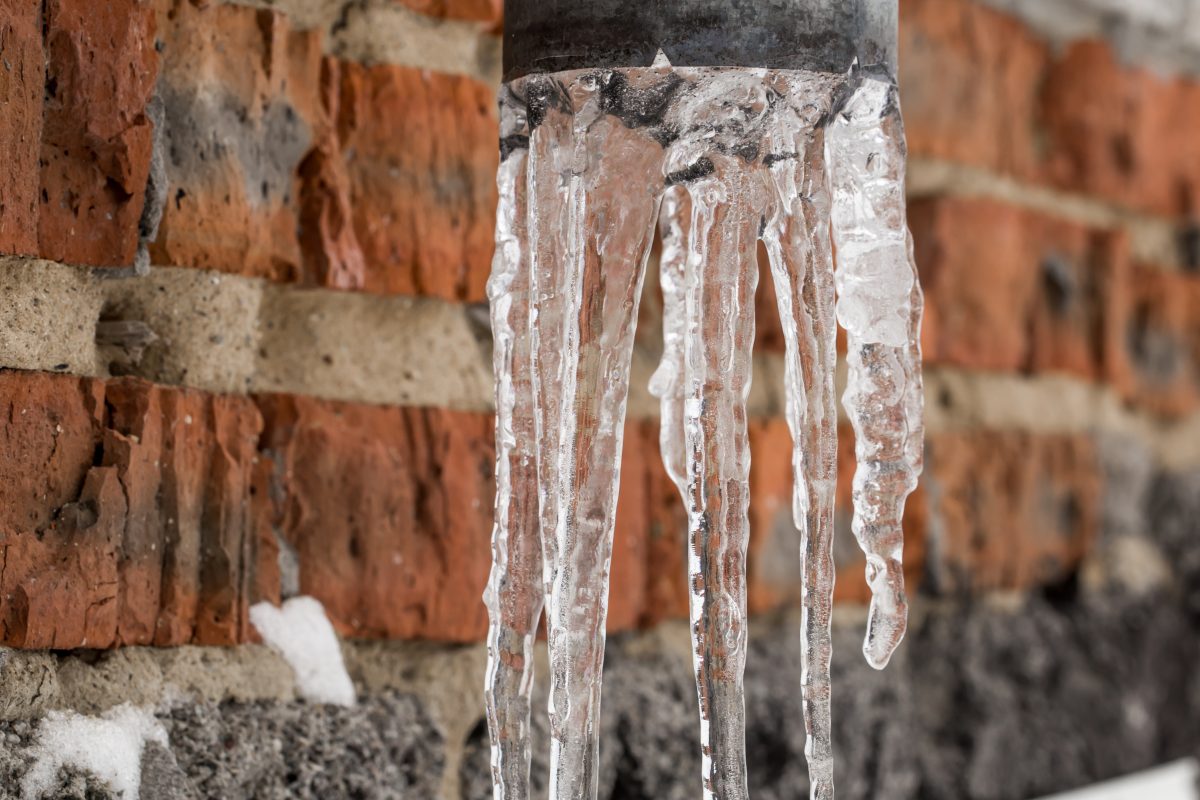
Water expands about 9% when it freezes. Pressure builds between the ice and the closed faucet, and that pressure is what usually splits the pipe. Pipes are at risk once outdoor temperatures stay around 20°F or below, which Chicago winters deliver every year.
Frozen pipes are one of the top causes of water damage in Chicago, and some homes are far more exposed than others:
- Older brick bungalows and two-flats, common in Cicero and nearby towns, often have supply lines running along exterior walls with little or no insulation.
- Enclosed back porches and additions where plumbing was extended into spaces that were never fully heated.
- Crawlspaces, garages, and the line that feeds an outdoor hose spigot.
- Kitchen sinks on exterior walls, especially with the cabinet doors closed.
- Homes left empty, or with the heat turned down, during a winter trip.
Signs You Have a Frozen Water Line
- One faucet trickles or stops while others still work.
- Frost or ice is visible on an exposed pipe.
- A toilet won’t refill after flushing.
- A pipe looks bulged or swollen. Stop here: it may already be cracked.
If no faucet in the house works, the freeze may be near the water meter or where the service line enters the home. Call a plumber and your village water department.
Before You Start: Find Your Main Water Shutoff
The main shutoff is usually in the basement, where the water line comes through the foundation near the meter. Find it before you apply any heat and make sure it turns. If the pipe has cracked, water will start flowing the moment the ice melts, and you’ll want to shut it off within seconds.
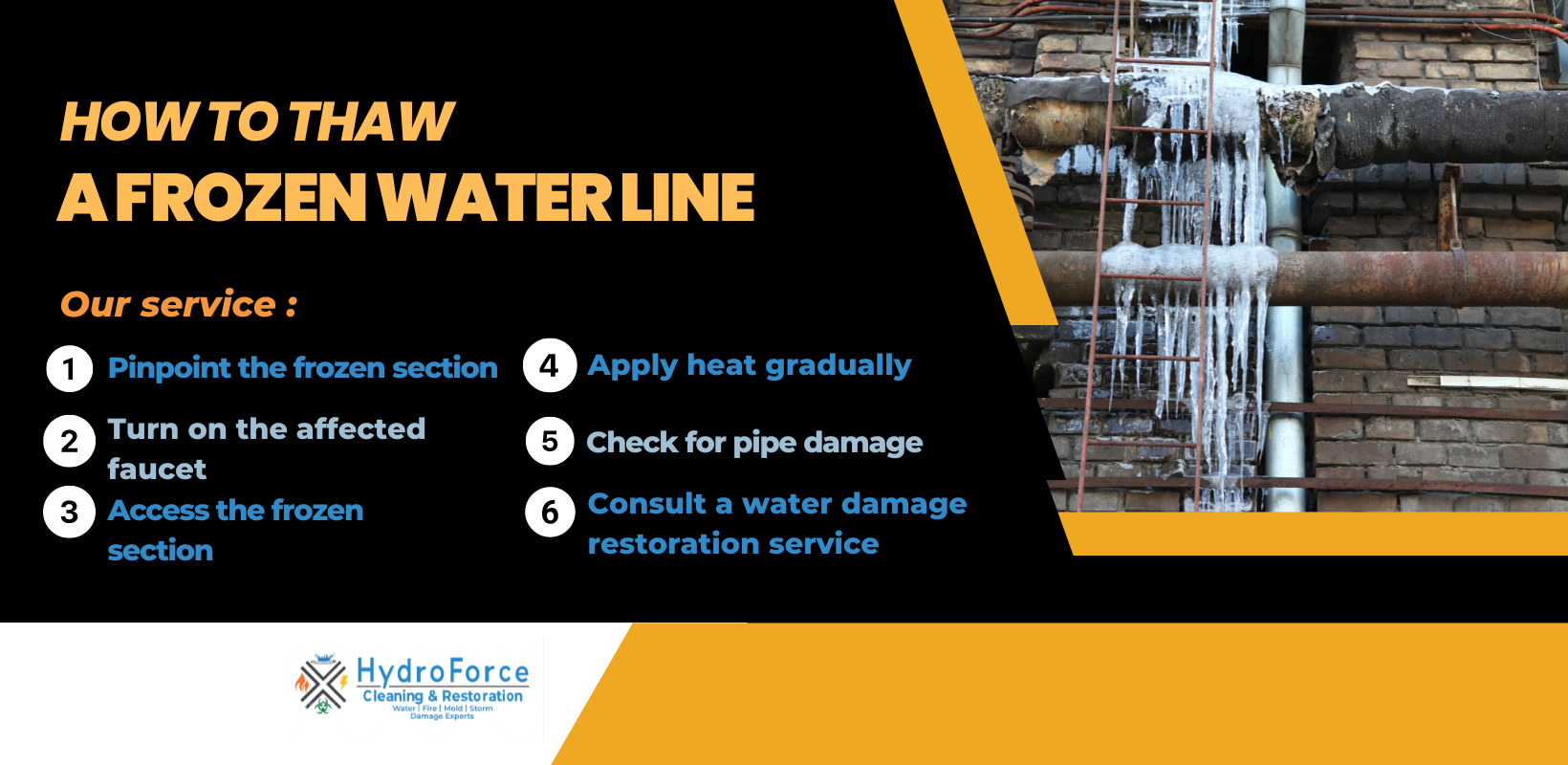
How to Thaw a Frozen Water Line: Step-by-Step
- Open the faucet the frozen pipe feeds: Open both the hot and cold handles. This gives melting water and built-up pressure somewhere to go, and running water helps melt the rest of the ice.
- Find the frozen section: Trace the pipe back from the faucet. Check exterior walls, unheated spaces and any spot with frost on the pipe.
- Start heating at the faucet end and work back toward the blockage: Starting in the middle can trap water between two ice plugs and raise the pressure.
- Use gentle heat only:
- A hair dryer on a low or medium setting, kept moving along the pipe
- An electric heating pad, or towels soaked in hot water wrapped around the pipe
- UL-listed pipe heat cable, installed according to the manufacturer’s instructions
- A space heater placed at least 3 feet from walls, insulation and anything flammable, never left unattended
- Keep going until full water pressure returns: Most exposed pipes thaw in 30 to 60 minutes. Let the faucet run for a few minutes afterward.
- Check the pipe for leaks: Wipe it dry and look for drips, hairline cracks or bulges. Over the next day, watch ceilings and walls below the pipe for wet spots or stains. Signs of water damaged drywall can show up hours later.
Never use a propane torch, open flame, kerosene or charcoal heater to thaw a pipe. Flames can ignite framing and insulation inside the wall, and fast heat can boil the water and burst the pipe. Keep electrical appliances away from any standing water.
When to Call a Plumber Instead
- You can’t find or reach the frozen section.
- The frozen pipe is inside a finished wall or ceiling.
- There’s no water anywhere in the house.
- You see a bulge, crack or leak.
- The pipe hasn’t thawed after an hour of gentle heat.
What to Do If a Frozen Pipe Bursts
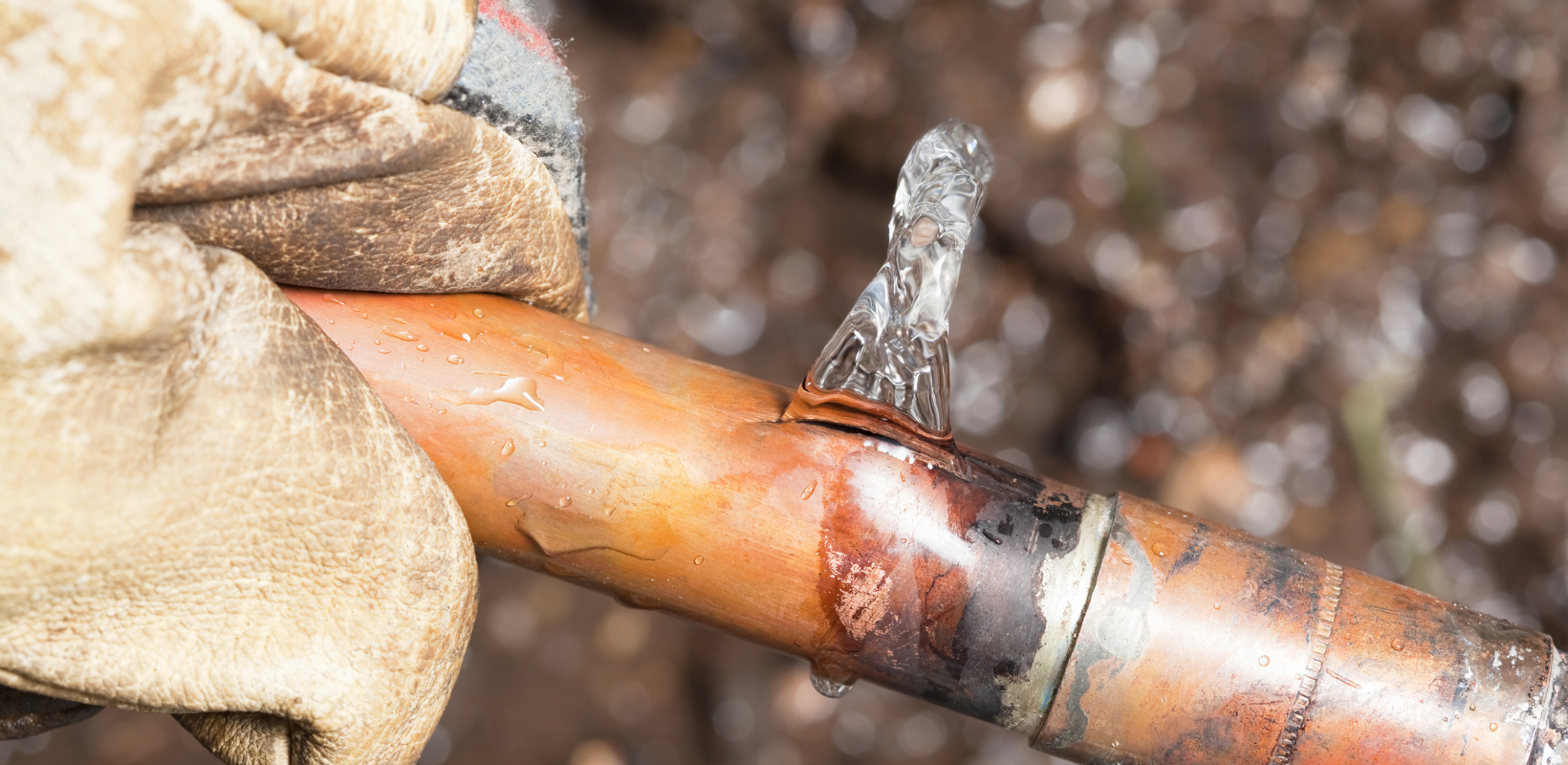
- Shut off the main water valve.
- Stay clear of electrical hazards. If water is near outlets, cords or the electrical panel, only shut off power at the breaker if you can reach it while standing somewhere dry.
- Call a plumber to repair the pipe.
- Photograph everything before you move anything. Photos of the pipe, the water and damaged belongings make an insurance claim much easier.
- Call a water damage restoration company. Wet drywall, subfloors and insulation need to be dried within 24 to 48 hours to prevent mold growth.
Renters should notify their landlord in writing right away. If the unit becomes unlivable, read our guide for renters dealing with water damage.
How to Keep Pipes from Freezing Again
- Insulate exposed pipes along exterior walls and in crawlspaces.
- Shut off and drain outdoor spigots each fall.
- Keep the thermostat at 55°F or higher, even when you’re away.
- Open sink cabinet doors on exterior walls during cold snaps.
- Let faucets on exterior walls drip on subzero nights.
- Seal gaps where cold air reaches pipes, such as rim joists and porch floors.
For a full winter checklist, see our guide on how to keep pipes from freezing in Chicago.
How HydroForce Handles Burst Pipe Water Damage
A plumber fixes the pipe. HydroForce handles everything the water touched. Our water damage restoration crews:
- Respond 24/7 and arrive within 60 minutes
- Extract standing water and use moisture meters to find water hidden inside walls and floors
- Set up commercial drying equipment and monitor it until the structure is dry
- Remove and rebuild damaged drywall and flooring through our reconstruction services
- Bill your insurance company directly and share photos and progress in an online job portal
We provide water damage restoration in Cicero, Bridgeview, Oak Lawn, Burbank, Hickory Hills, Orland Park, and Chicago. If a frozen pipe has burst, call (630) 835-0862 any time, day or night.
Frequently Asked Questions
How long does it take to thaw a frozen pipe?
Most exposed pipes thaw in 30 to 60 minutes with gentle heat. A pipe inside a wall can take much longer and is best left to a plumber.
Will a frozen pipe thaw on its own?
It can as temperatures rise, but the pipe may already be cracked. Thawing it while you’re home, with the main shutoff located, lets you stop a leak right away.
Can I use a hair dryer to thaw a frozen pipe?
Yes. Use a low or medium setting, keep it moving, and keep the dryer and cord away from any water.
Does homeowners insurance cover a burst frozen pipe?
Many policies cover sudden water damage from a burst pipe, but claims can be denied if the home wasn’t kept heated. Check your policy and call your agent.
Who do I call for a burst pipe, a plumber or a restoration company?
Both. The plumber repairs the pipe. A restoration company like HydroForce removes the water, dries the structure and repairs the damage.