
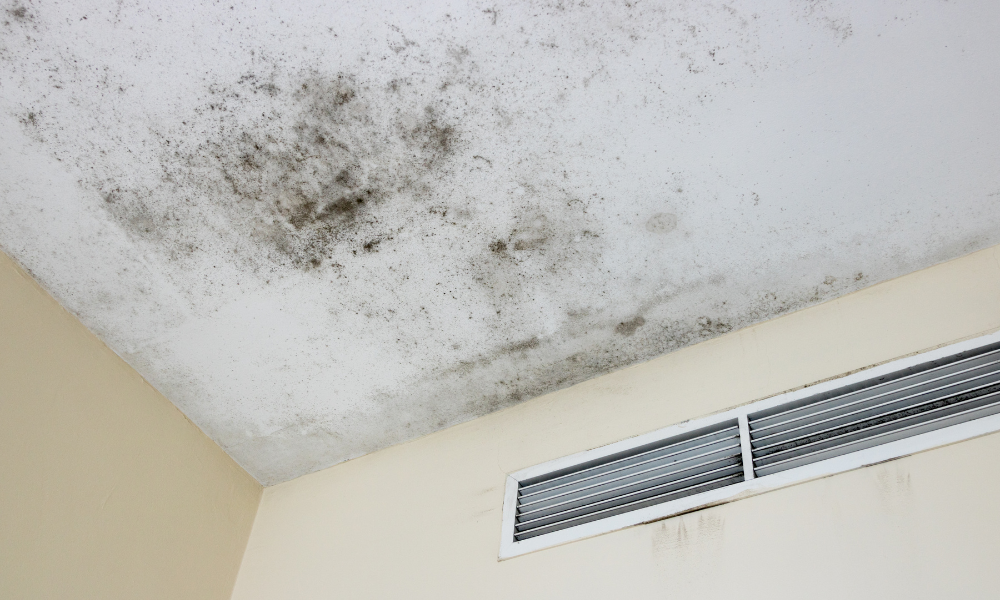

Mold on your ceilings can damage paint, weaken surfaces, and affect indoor air quality. If you’ve noticed black or green spots forming, it’s important to act quickly and safely. This guide shows DIY homeowners and enthusiasts how to remove ceiling mold effectively, prevent recurrence, and know when to call in professionals.
What Causes Mold on Ceilings?
Understanding the root cause is the first step in effective mold removal. Mold thrives in moist, humid environments or areas with water leaks. The EPA mold guidance explains common causes and health effects of indoor mold. Common culprits include:
- Roof or plumbing leaks: Water intrusion creates ideal conditions for mold
- High indoor humidity, especially in bathrooms, kitchens, and laundry rooms
- Poor ventilation: Stagnant air in attics, basements, or upper floors promotes growth
- Condensation on cold surfaces: Painted ceilings in colder rooms may attract moisture
Pro Tip: Inspect ceilings after storms or plumbing work. Early detection makes mold removal easier and less costly.
Safety Precautions Before Removing Mold
Mold spores can irritate skin, eyes, and lungs. For detailed safety information, see the CDC mold facts page. Always:
- Wear gloves, protective eyewear, and an N95 mask.
- Cover floors and furniture with drop cloths or plastic sheets.
- Open windows or use fans for ventilation.
- Test cleaning solutions on a small area first.
- Never mix bleach with ammonia or other chemicals; toxic fumes can form.
Step-by-Step Mold Removal from Ceilings
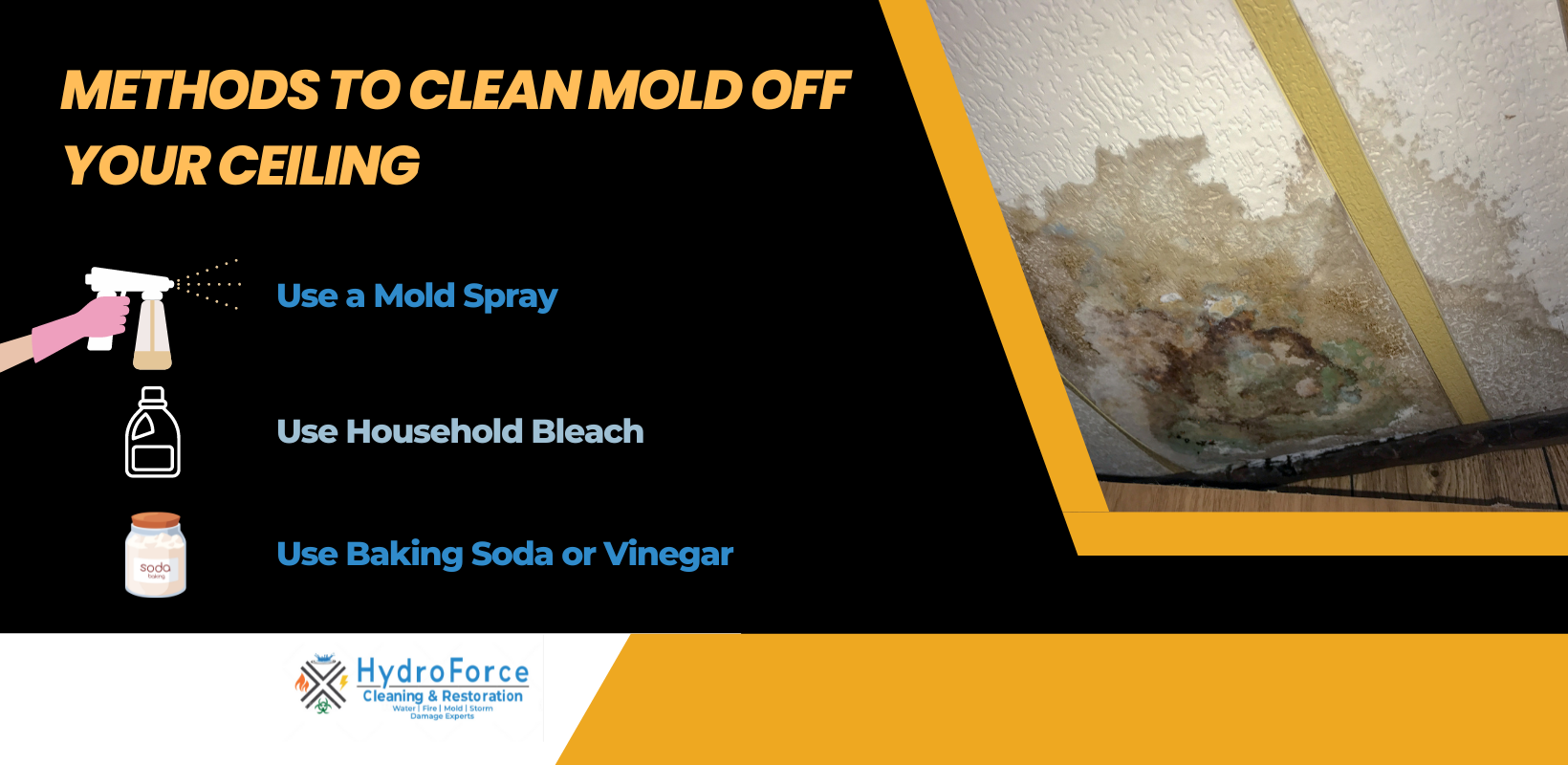
1. Prepare the Area
- Move or cover furniture.
- Ensure good lighting to see all mold spots.
- Use a ladder safely on a stable surface.
2. Choose a Cleaning Solution
- Vinegar solution: 1:1 ratio with water.
- Mild detergent: A few drops of dish soap in warm water.
- Commercial mold remover: Safe for painted ceilings (follow instructions carefully).
3. Apply the Solution
- Use a soft sponge or cloth.
- Scrub gently from outside in to avoid spreading spores.
- Avoid abrasive scrubbing to protect the paint.
4. Rinse and Dry
- Wipe with a clean, damp cloth.
- Let the ceiling dry completely—moisture can cause mold to return.
5. Treat Stubborn Mold
- Repeat cleaning if needed.
- Apply mold-resistant primer or paint for long-term protection.
- Persistent or widespread mold may require professional removal.
Safe Methods for Mold Removal
| Method | Best Use | Notes |
|---|---|---|
| Vinegar | Small patches of mold | Eco-friendly, avoid using on glossy paint |
| Mild Detergent | Light mold | Safe for most paints, ideal for regular maintenance |
| Commercial Cleaners | Stubborn stains | Check chemical safety and ventilation requirements |
When is DIY Mold Removal Safe?
You can attempt DIY if:
- Mold covers a small area.
- The ceiling is structurally sound.
- You follow proper protective measures.
Call a professional if:
- Mold covers more than 10 square feet.
- A recurring musty odor exists without visible mold.
- The ceiling shows water damage, bulging, or staining.
- Household members have asthma, allergies, or compromised immunity.
- Mold comes from contaminated water.
Prevent Mold Growth on Ceilings
- Keep humidity below 50% using dehumidifiers or fans.
- Fix leaks immediately in roofs, plumbing, and windows.
- Improve ventilation in bathrooms, kitchens, and attics.
- Use mold-resistant paint in moisture-prone areas.
- Inspect ceilings after heavy rain or plumbing work.
Don’t Let Mold Take Over Your Home or Business
If you’ve noticed mold on your ceilings or elsewhere in your property, it’s important to act quickly. At HydroForce Cleaning and Restoration, our IICRC-certified professionals use industry-approved methods, advanced equipment, and proven techniques to safely and effectively remove mold, protecting your property and your health.
Prevent further damage and ensure a safe environment. Call us now at (630) 835-0862 to schedule your mold remediation consultation. Fast, reliable, and professional service is just a phone call away.
Frequently Asked Questions (FAQs)
What does mold on a painted ceiling usually look like?
Mold on painted ceilings often appears as small black, brown, or green spots that gradually spread across the surface. You may also notice discoloration, streaks, or a faint musty odor. In bathrooms, the mold usually forms where steam collects—often around vents, corners, and above showers.
How long does it take for mold to grow on a ceiling after water damage?
Mold can begin growing within 24–48 hours of water exposure. If a ceiling has been affected by a leak, burst pipe, or condensation, mold may form quickly, even before visible signs appear. Early inspection is recommended anytime water damage occurs.
Can mold on a painted ceiling spread to other parts of the home?
Yes. Mold releases microscopic spores that can travel through the air and settle on other damp surfaces. If the moisture problem isn’t addressed, mold can spread to walls, insulation, or nearby rooms, especially in bathrooms and kitchens.