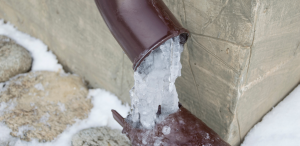
Why a Clogged Sink Can Cause Water Damage
A clogged sink can lead to water damage when backed-up water overflows, leaks under cabinets, or slowly seeps into surrounding materials. Even a slow drain can cause long-term moisture exposure that weakens your home’s structure.
If you discover a clogged sink, it’s important to address it right away, either through DIY methods or by contacting a professional. Delaying action can lead to costly consequences, including:
- Water leaks and overflows: Blocked drains force water back up, increasing the risk of spills and leaks that can spread throughout your home.
- Damage to surrounding areas: Cabinets, flooring, drywall, and baseboards can absorb moisture and deteriorate over time.
- Structural repairs: Prolonged water exposure may lead to mold growth and structural damage. In severe cases, structural water damage repairs can exceed $10,000.
Taking prompt action helps homeowners prevent water damage and avoid unnecessary repair costs.
Common Causes of Kitchen and Bathroom Sink Clogs
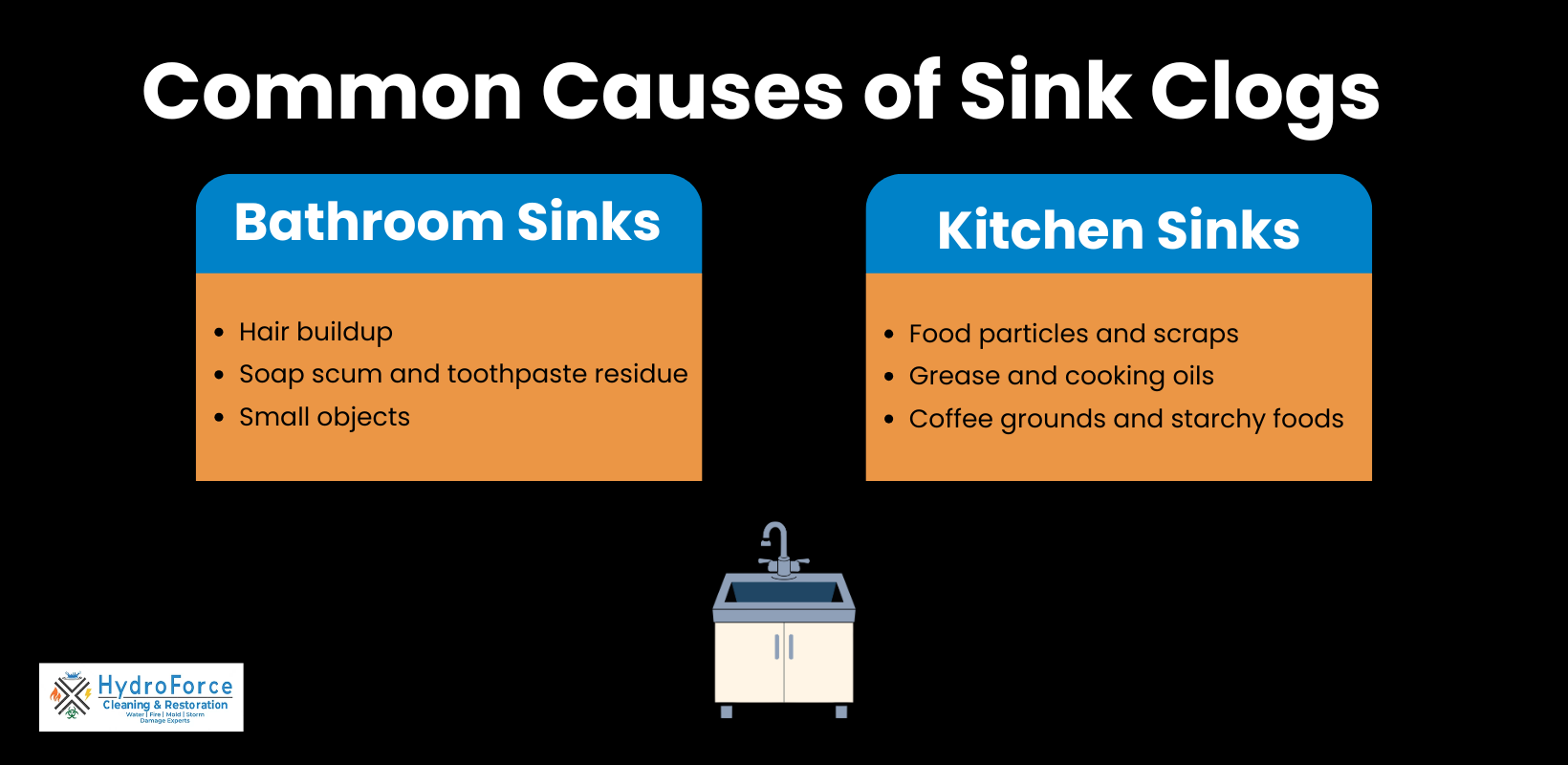
Sink clogs can develop for a variety of reasons, which is why it’s important to understand their causes and how to prevent them. Understanding what causes sink clogs can help you choose the right fix and prevent future blockages.
Kitchen Sink Clog Causes
Kitchen sinks typically clog due to:
- Food particles and scraps
- Grease and cooking oils that harden inside pipes
- Coffee grounds and starchy foods
Read: How to Remove Mold from the Caulk Around Your Kitchen Sink
Bathroom Sink Clog Causes
Bathroom sink clogs are often caused by:
- Hair buildup
- Soap scum and toothpaste residue
- Small objects that accidentally fall into the drain
Plumbing Issues in Older Homes
In older homes, sink clogs may result from:
- Corroded or narrowing pipes
- Mineral buildup from hard water
- General wear and tear in aging plumbing systems
These issues often require professional plumbing assistance.
Safety Precautions Before Fixing a Clogged Sink
Before attempting any DIY drain cleaning, take these safety steps to prevent injury or additional plumbing damage.
- Shut off the water supply: Turn off the water at the main valve, which may be located inside or outside your home, to prevent accidental leaks or flooding.
- Wear protective gear: Wear sturdy gloves and safety glasses, especially when using tools or cleaning products, to protect your hands and eyes.
- Limit chemical cleaners: Avoid harsh chemical drain cleaners whenever possible, as they can damage pipes and pose health risks.
How to Fix a Clogged Kitchen Sink
If your kitchen sink becomes clogged, it’s important to address the issue promptly so water can flow freely again. Below are several effective methods you can try, starting with the simplest solutions and working your way up if needed.
Method 1: Boiling Water (Best for Grease Clogs)
Boiling water can help break down grease and residue:
- Allow standing water to drain, if possible.
- Bring a pot or kettle of water to a rolling boil.
- Slowly pour the hot water directly into the drain.
- Check drainage and repeat if necessary.
Method 2: Baking Soda and Vinegar (Best for Organic Buildup)
This natural method works well for food residue and odors:
- Pour baking soda down the drain.
- Follow with vinegar and allow it to bubble for several minutes.
- Flush with hot water to clear loosened debris.
Method 3: Plunging a Double-Basin Sink
For double sinks, proper technique is key:
- Use a cup plunger that seals tightly over the drain.
- Seal the second drain with a wet rag.
- Plunge steadily for 30–60 seconds.
- Pull the plunger away quickly to change pressure.
- Flush with boiling water to confirm proper drainage.
Method 4: Drain Snake or P-Trap Cleaning
If the clog persists:
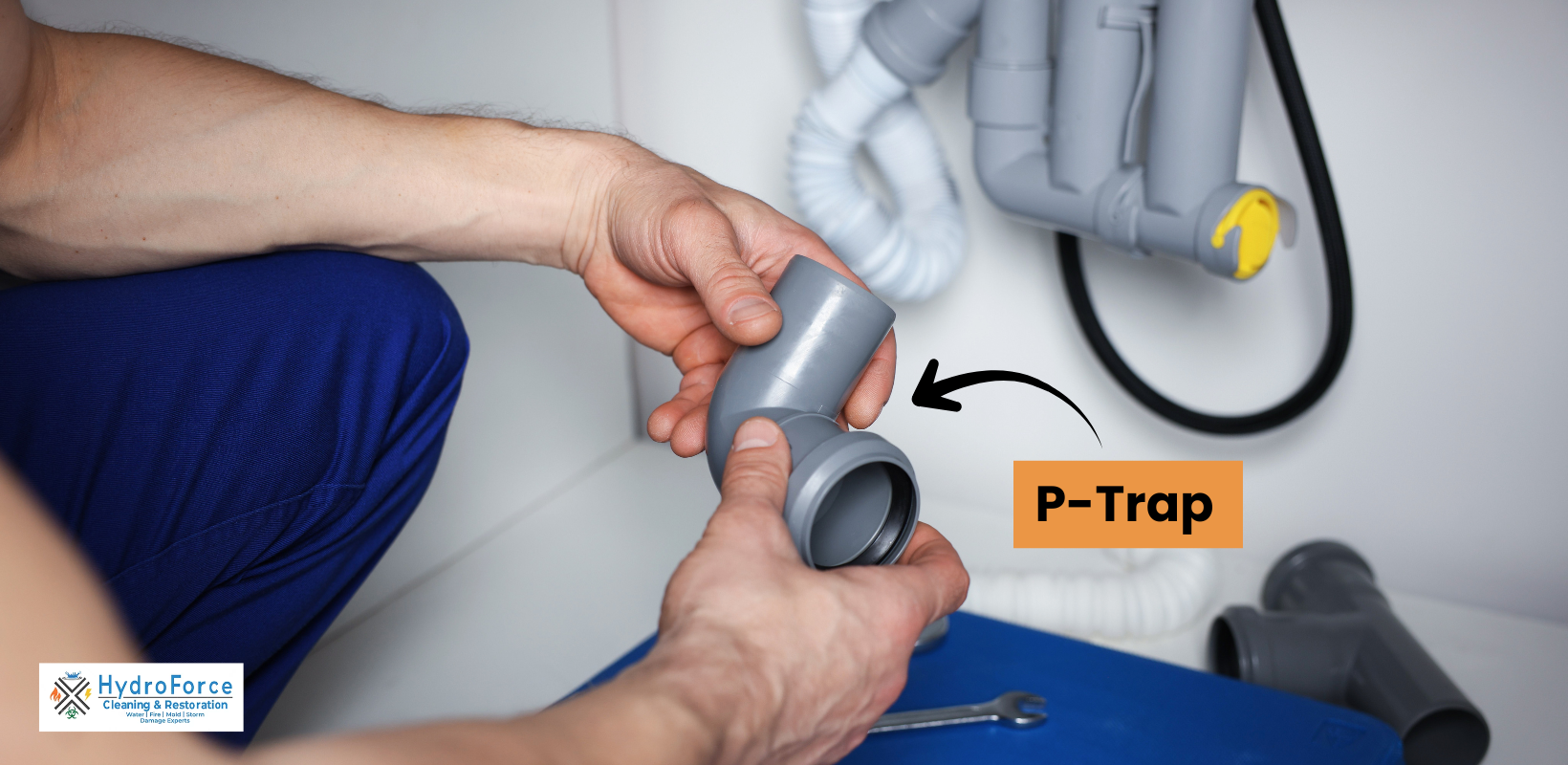
- Carefully remove and clean the P-trap.
- Use a drain snake to reach deeper blockages.
- If pipes appear old or corroded, stop and call a plumber.
When to Call a Plumber for a Clogged Sink
Contact a professional plumber if you notice:
- Repeated clogs
- Slow drainage after DIY attempts
- Gurgling sounds or water backing up into other drains
How to Fix a Clogged Bathroom Sink
Bathroom sink clogs usually differ from kitchen clogs due to hair and soap buildup rather than grease.
- Use a hair catcher or drain guard: This simple solution helps prevent hair and debris from entering the drain and can be installed easily with little to no experience.
- Baking soda and vinegar: This works well for soap scum buildup or minor blockages, helping to break down residue naturally.
- Plunger: A small sink plunger can be effective for clearing light clogs in bathroom sinks.
- P-Trap cleaning or hand auger: If the clog is deeper in the pipe, removing and cleaning the P-trap or using a hand auger can help dislodge the blockage.
- Professional plumber: If none of these methods resolve the issue, it’s best to contact a licensed plumber to prevent further damage and ensure the problem is properly fixed.
How to Prevent Sink Clogs and Water Damage
Preventing sink clogs starts with daily habits and routine maintenance that keep debris out of your plumbing system. Simple habits and regular maintenance can keep your drains flowing smoothly:
Kitchen Sink Prevention Tips
- Avoid pouring grease or cooking oil down the drain.
- Dispose of food scraps in the trash, not the sink.
- Run hot water after use to reduce buildup.
Bathroom Sink Prevention Tips
- Use hair strainers in sinks.
- Rinse drains regularly to prevent soap residue.
- Avoid flushing non-dissolvable items down drains.
Professional Drain Maintenance
- Schedule periodic plumbing inspections.
- Address minor issues before they escalate into major repairs.
Signs a Clogged Sink is Causing Hidden Water Damage
Some water damage isn’t immediately visible. Watch for warning signs such as:
- Musty odors under sinks
- Swollen or warped cabinets
- Soft or buckling flooring
- Mold growth near plumbing fixtures
- Water stains on walls or ceilings
If you notice any of these issues, professional water damage restoration may be necessary.
Read: Best Detection Methods to Find Water Leaks in Your House
Tools & Products to Keep Sinks Clear
Keeping a few key tools and products on hand can help prevent clogs and make it easier to maintain your sinks:
- Drain strainers and hair catchers for daily prevention
- Drain snake for stubborn clogs
- Standard drain cleaners for minor buildup
- Drano Max Gel Clog Remover for thick clogs and standing water
- Green Goblin Drain Clog Dissolver, an eco-friendly option safe for most plumbing systems
Professional Water Damage Restoration from HydroForce
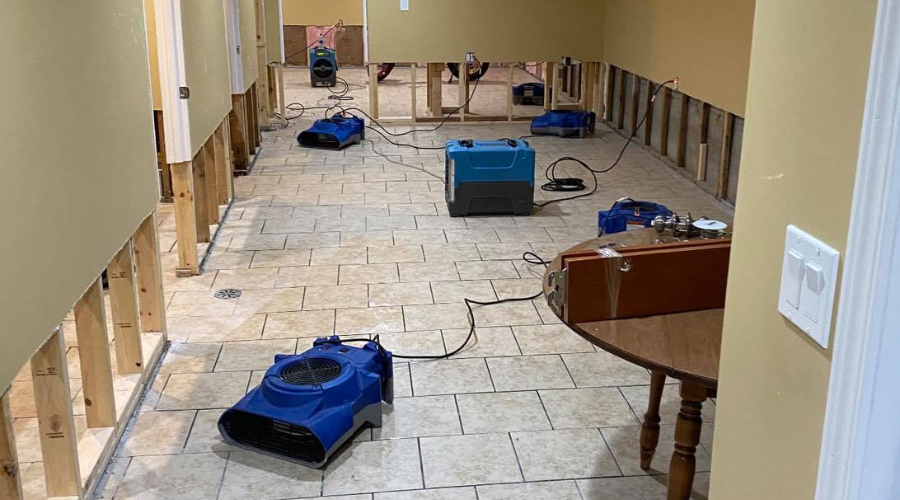
Homeowners often underestimate how quickly a small sink clog can turn into serious water damage. Restoration professionals frequently see damage that began with a slow drain or unnoticed leak beneath a sink. Even minor clogs should be addressed quickly to prevent damage to cabinets, flooring, walls, and your home’s structure. Regular drain maintenance is far more cost-effective than repairing water damage after it occurs.
Don’t let a clogged sink turn into a costly disaster. Acting quickly is key to preventing water damage to your cabinets, flooring, walls, and the structure of your home. At HydroForce Cleaning and Restoration, our team of experts provides fast, professional water damage restoration services to keep your home safe and your plumbing in top shape.
Whether you’re dealing with a minor clog, a severe backup, or water damage that’s already begun, we’re here to help. Contact HydroForce now to assess the situation, restore your property, and prevent future damage before it becomes a major expense.
Call HydroForce Cleaning and Restoration at (630) 835-0862 today for professional water damage restoration in Chicago, IL, and nearby areas.