Mold can quickly take hold in your home, posing serious health risks and causing costly damage if not addressed promptly. But when it comes to removal, is bleach or vinegar better for killing mold? Understanding how mold grows, the health hazards it presents, and the safest, most effective removal methods is essential for protecting your home and your family.
In this guide, we’ll compare bleach and vinegar for mold removal, explain which types of mold vinegar can tackle, show step-by-step instructions for using vinegar safely, provide practical tips to prevent mold growth, and help you know when it’s time to call in professional mold remediation specialists.
How Does Mold Grow and Why Is It Harmful?
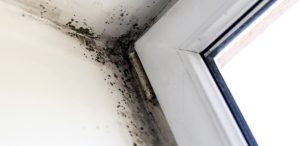
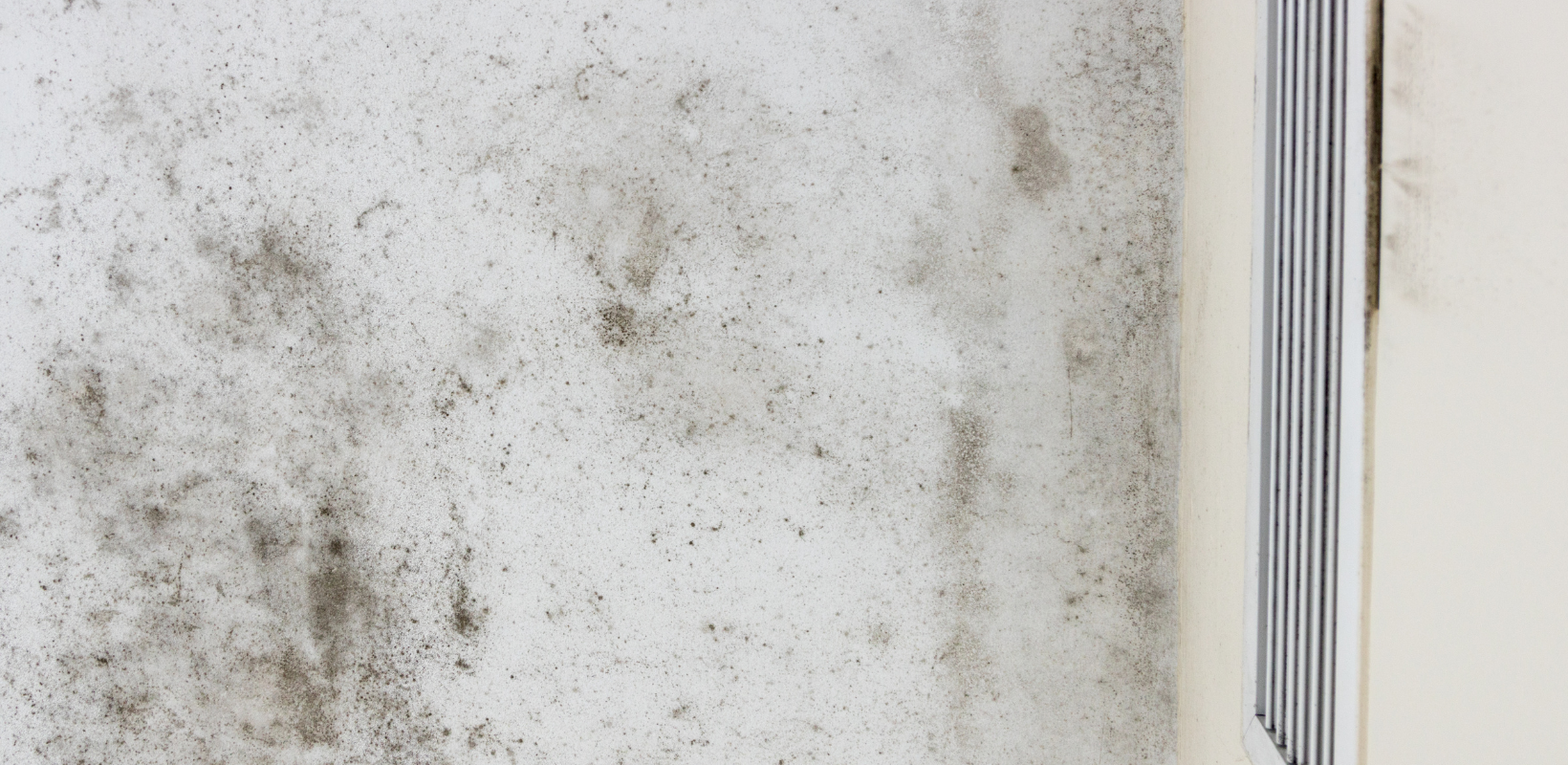
Mold is a type of fungus that thrives in moist environments. It attaches to porous surfaces like wood, drywall, and ceiling tiles where water and nutrients are present. Common causes include plumbing leaks, foundation cracks, or poor ventilation. According to the CDC, people who spend time in damp buildings report higher health problems.
Health risks of mold exposure include:
- Worsening asthma and respiratory conditions
- Allergic reactions such as sneezing, a runny nose, or skin irritation
- Long-term respiratory issues with prolonged exposure
Mold spreads quickly, so addressing it early is essential to prevent property damage and protect your health.
Does Bleach Kill Mold?
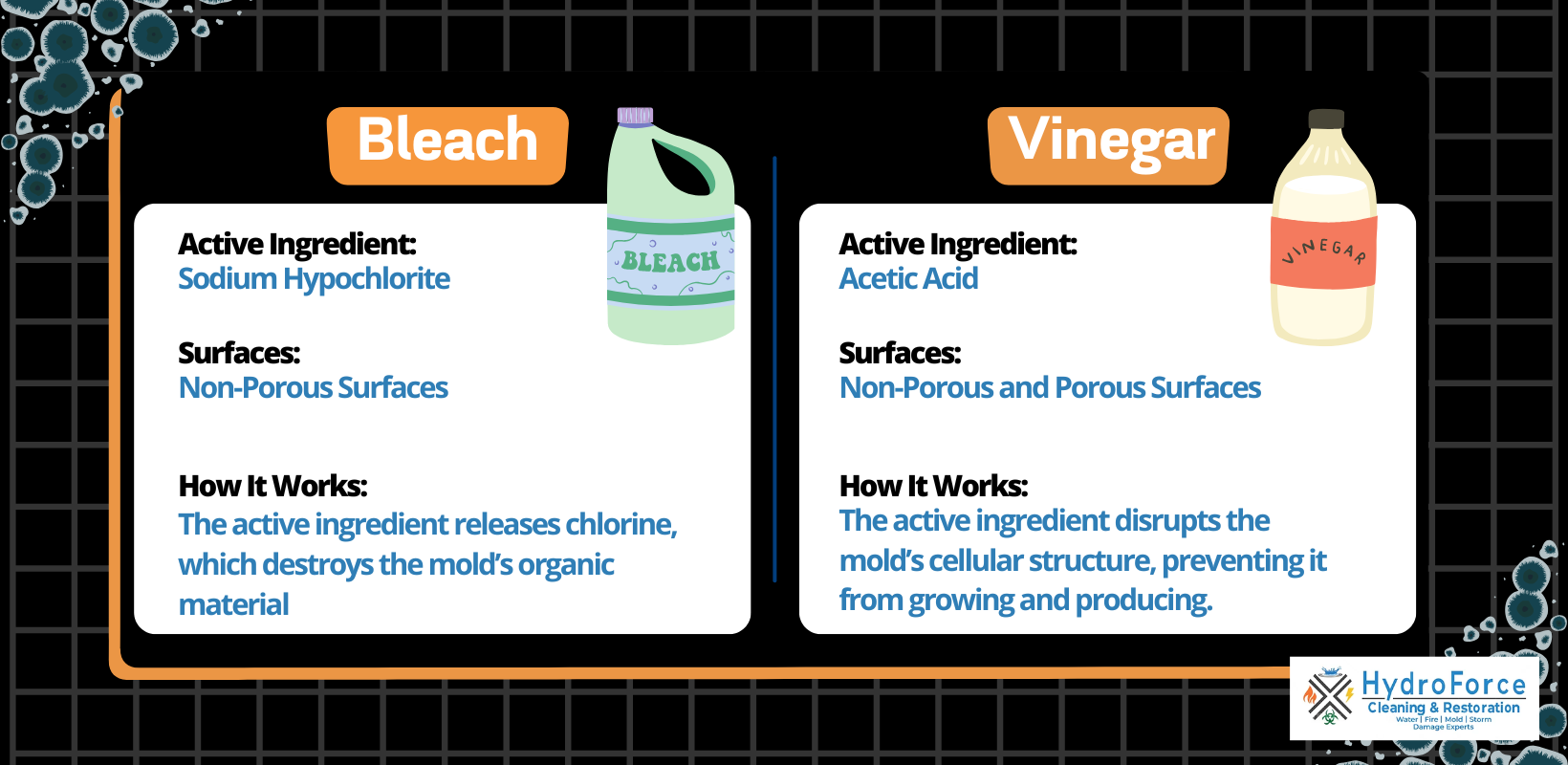
Bleach can kill mold on non-porous surfaces like tiles, sinks, and bathtubs, but it does not penetrate porous materials such as wood, drywall, or carpets. The mold membrane often retreats deeper into the surface, which can make the problem worse. According to the EPA, chemicals and biocides that kill organisms, such as mold, are not recommended as a routine practice during mold cleanup.
Pros of Using Bleach to Remove Mold
- Kills mold on hard, non-porous surfaces
- Works for small surface areas under 10 sq ft
Cons of Using Bleach to Remove Mold
- Toxic fumes and skin irritants
- Can damage wood fibers and surfaces
- Potentially accelerates mold growth if not applied correctly
- Dangerous for pets
- May create dioxins that are harmful in the long term
Is Vinegar Effective for Killing Mold?
Vinegar, especially white distilled vinegar, is safe, natural, and highly effective against mold. Its acetic acid disrupts mold growth, making it an ideal solution for small infestations on hard or slightly porous surfaces. Vinegar kills about 82% of mold species and helps prevent regrowth.
Advantages of Using Vinegar to Kill Mold
- Non-toxic and eco-friendly
- Works on porous and non-porous surfaces
- Prevents mold from returning
Limitations of Using Vinegar for Mold Growth
- May not fully eliminate black mold
- Can scratch delicate surfaces like granite or marble
Bottom line: For small mold infestations, vinegar is safer and more effective. Bleach is limited to hard, non-porous surfaces and can sometimes worsen mold growth.
Can Vinegar Kill All Types of Mold?
Vinegar is highly acidic and capable of eliminating around 82% of mold species from porous and non-porous surfaces and materials. However, it is not completely effective against certain types of mold, such as black mold.
How to Use Vinegar to Kill and Remove Mold
Removing mold from your property promptly is essential to prevent it from spreading and causing extensive, costly damage. Addressing the issue early ensures your space remains safe and well-maintained.
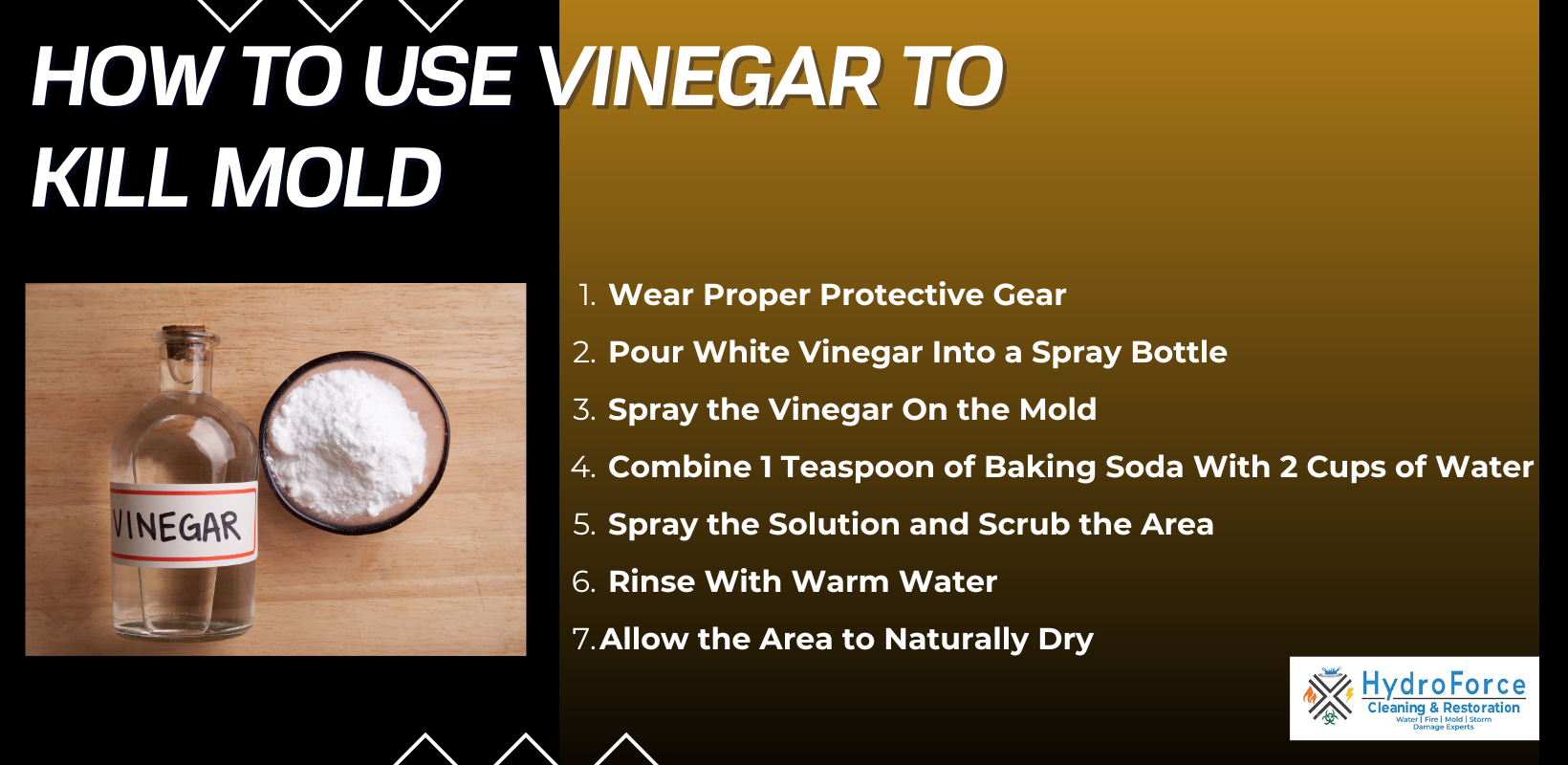
Follow these steps for safe and effective mold removal using vinegar:
- Wear protective gear: gloves, goggles, and a mask.
- Pour white distilled vinegar into a spray bottle.
- Spray the vinegar on the mold and let it sit for at least an hour.
- Mix a baking soda solution (1 tsp baking soda + 2 cups water) in a spray bottle.
- Spray the baking soda solution and scrub with a brush.
- Rinse with warm water.
- Spray the area again with vinegar or baking soda solution and let it dry naturally.
How to Prevent Mold Growth in Your Home
While small mold infestations can sometimes be handled as a DIY project, larger issues may require the expertise of a professional mold removal service. Prevention is the best way to protect your home from mold growth. Here are some effective ways to keep mold at bay:
- Keep indoor humidity at 60%
- Clean roof gutters regularly
- All wet surfaces should be dried quickly so moisture sources can be reduced
- Ventilation should be increased by using exhaust fans and opening windows
- Any moisture-producing appliances should be vented to the outside
- Any water problem should be fixed promptly
- Any areas that have water damage should be fixed within 24-48 hours
When to Call Professional Mold Remediation Specialists
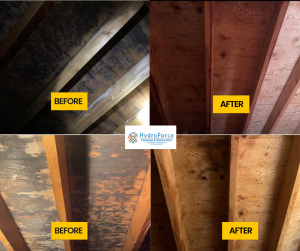
If you’re dealing with severe mold growth that you cannot manage yourself with natural or chemical remedies, it’s essential to contact a professional mold removal company. Prompt action is crucial to prevent further, potentially costly damage to your property. Leaving mold untreated for too long not only jeopardizes your property’s structure but also poses serious health risks due to prolonged exposure.
It is recommended to call a mold removal professional instead of trying to remove the mold yourself if the mold covers more than 10 square feet of space or if you do not have the tools or expertise to do the job.
Reliable Mold Removal and Remediation in Chicago, IL
Addressing mold issues promptly and effectively is critical to maintaining a safe and healthy living environment. While natural remedies like vinegar can be effective for small mold infestations, understanding the limitations of DIY methods and the risks of using harsh chemicals like bleach is essential.
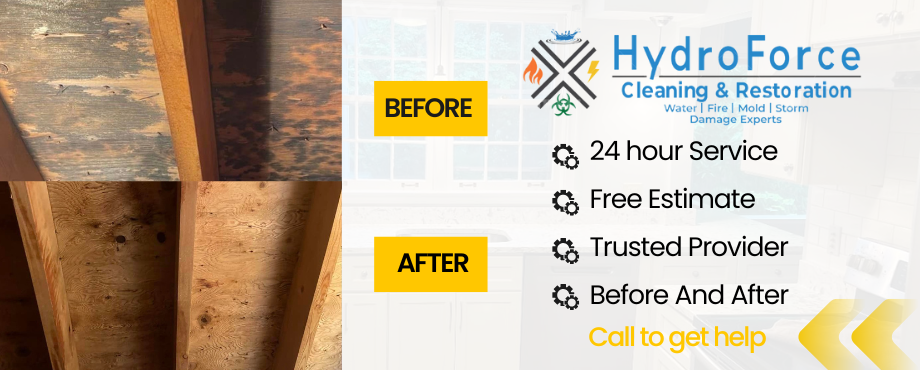
If you have a mold problem in your home that requires professional help, make sure to call HydroForce Cleaning & Restoration right away. We provide comprehensive mold removal services for homeowners and businesses in Chicago, IL, and the surrounding areas. Our team of highly trained technicians specializes in natural mold removal techniques to eliminate mold growth effectively.
For professional mold remediation or water damage restoration in Chicago, IL, call HydroForce Cleaning & Restoration at (630) 835-0862.