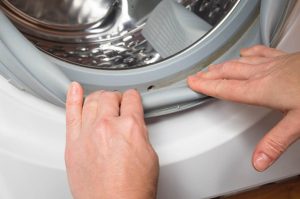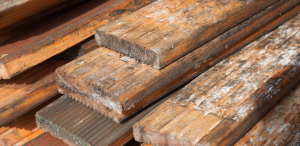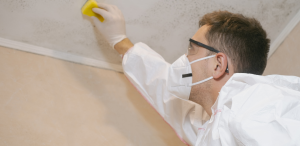
Mold on concrete is a common issue in basements, garages, patios, and crawl spaces where moisture tends to accumulate. Because concrete is porous, it can absorb water and trap organic debris, creating the perfect environment for mold growth. According to the EPA, mold exposure can trigger allergic reactions, respiratory irritation, and asthma symptoms in sensitive individuals.
In this article, we’ll cover how mold forms on concrete, key safety precautions to take before removal, effective DIY cleaning methods, deeper treatment options for porous concrete, strategies to prevent regrowth, and when it’s time to seek professional help for a mold infestation.
Quick Answer: How to Remove Mold from Concrete (Step-by-Step)
Mold can often be removed from concrete using household or commercial cleaners. However, because concrete is porous, deep or recurring mold growth usually requires addressing the underlying moisture problem or professional remediation.
- Dry the concrete surface completely
- Apply a mold-killing solution (vinegar, bleach, or commercial cleaner)
- Let it sit for 10–60 minutes, depending on the solution
- Scrub with a stiff-bristle brush
- Rinse thoroughly with clean water
- Dry the area completely to prevent regrowth
What Kills Mold on Concrete Instantly?
Different cleaning solutions work at different speeds and depths:
- Bleach: Kills surface mold quickly but does not penetrate porous concrete
- Vinegar: Slower acting, but penetrates deeper and helps prevent regrowth
- Hydrogen peroxide: Effective for disinfecting and breaking down mold structure
- Commercial mold removers: Designed for deep or stubborn mold infestations
For fast visible results, bleach works quickly. For long-term effectiveness, deeper-penetrating solutions or professional treatment are more reliable.
Why Mold Grows on Concrete Surfaces
Concrete may appear solid, but it is naturally porous. This means it can absorb moisture from leaks, humidity, condensation, or flooding.
Concrete Porosity and Moisture Absorption
When moisture enters concrete, it creates damp conditions where mold spores can thrive. Dust, dirt, and organic matter trapped in the surface also provide nutrients that support mold growth. Mold can begin growing within 24 to 48 hours after moisture exposure if conditions are right.
Common Areas Where Mold Grows on Concrete
Mold is most common in areas with poor airflow and high humidity, including:
- Basement floors and walls
- Garage floors
- Crawl spaces
- Concrete patios and sidewalks
- Foundation walls
Without proper moisture control, mold can quickly spread across these surfaces and return even after cleaning.
Is Mold on Concrete Dangerous?
Mold on concrete is not just a cosmetic issue. It can impact both health and property:
- Health risks: Allergies, respiratory irritation, asthma flare-ups
- Air quality issues: Mold spores can spread indoors
- Structural concerns: Long-term moisture can weaken surrounding materials
If mold growth is extensive or recurring, it may indicate a larger moisture problem that needs to be addressed.
Safety Precautions Before Mold Removal
Before starting any mold removal process, safety is critical.
Protective Equipment You Should Always Wear
Use the following:
- N95 mask or respirator
- Gloves
- Long sleeves and long pants
- Protective goggles
Ventilation and Containment
- Open windows and doors for airflow
- Use fans if possible
- Seal off the affected area to prevent spores from spreading
If mold coverage is extensive or exposure causes irritation, avoid DIY cleanup and contact your local mold remediation experts.
How to Remove Mold from Concrete (DIY Methods That Work)
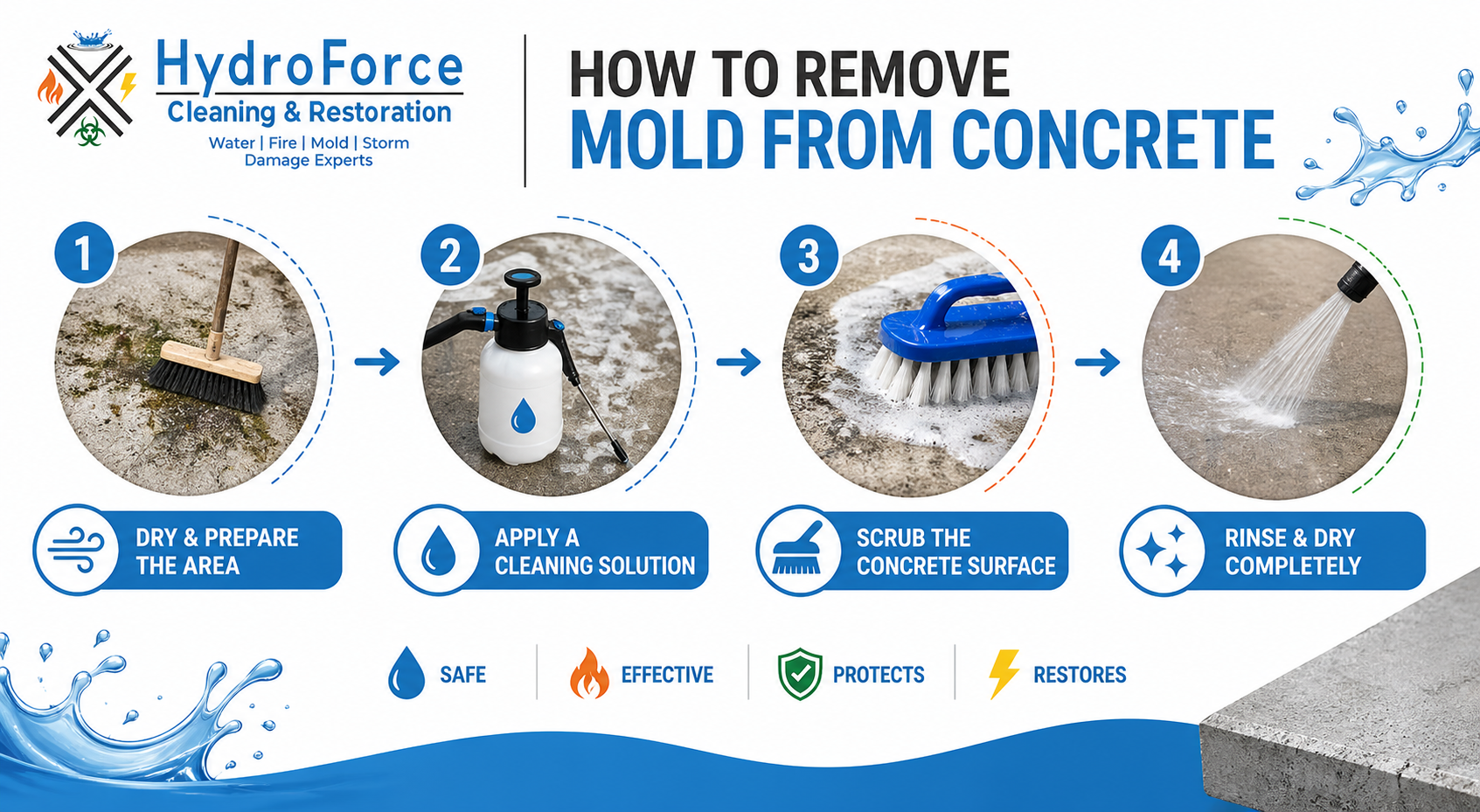
There are several ways to remove mold from concrete, and the best method depends on the size and severity of the affected area.
Step 1: Dry and Prepare the Area
Remove any standing water and dry the surface as much as possible. Mold is easier to remove from a dry surface.
Step 2: Apply a Cleaning Solution
Choose one of the following based on severity:
Soap and Water (Light Mold)
- Mix 1 cup dish soap with 1 gallon water
- Scrub with a stiff brush
- Rinse thoroughly
Vinegar Solution (Natural Option)
- Mix equal parts white vinegar and water
- Spray onto the surface
- Let sit for 60 minutes
- Scrub and rinse
Bleach Solution (Heavy Mold)
- Mix 1 part bleach with 3 parts water
- Apply and let sit for 10 to 15 minutes
- Scrub thoroughly and rinse well
Important: Never mix bleach with other cleaners.
Commercial Mold Removers (Severe Cases)
These are stronger formulations designed for deep or recurring mold issues on concrete.
Step 3: Scrub the Concrete Surface
Use a stiff-bristle, non-metal brush to lift mold from the porous surface. Apply firm pressure but avoid damaging the concrete.
Step 4: Rinse and Dry Completely
Rinse the area thoroughly with clean water and allow it to dry fully. Proper drying is critical to prevent regrowth.
Comparison of Mold Cleaning Solutions
| Solution | Best For | Pros | Cons |
|---|---|---|---|
| Vinegar | Light to moderate mold | Natural, penetrates porous surfaces, helps prevent regrowth | Slower results, strong odor |
| Bleach | Surface mold | Fast-acting, widely available | Does not penetrate concrete, can leave moisture behind |
| Hydrogen Peroxide | Disinfection and moderate mold | Kills mold spores, less harsh than bleach | May require multiple applications |
| Commercial Mold Cleaner | Heavy or recurring mold | Strong, designed for deep penetration and long-term results | Higher cost, may contain harsh chemicals |
Deep Mold Removal from Concrete
Concrete can allow mold to penetrate below the surface, especially in humid or flooded environments.
Pressure Washing vs Manual Scrubbing
A pressure washer can help remove embedded mold, but it should be used carefully:
- Pre-treat with detergent
- Use moderate pressure only
- Avoid surface damage
When Mold Has Penetrated the Surface
If mold keeps returning after cleaning, it may have reached deeper layers of concrete. This usually indicates a moisture issue that needs correction, not just surface cleaning.
Cost to Remove Mold from Concrete
The cost depends on severity and whether you choose DIY or professional services:
- DIY cleaning: $10 to $50 for supplies
- Professional remediation: $500 to $3,000+ depending on size and severity
If mold covers a large area or keeps returning, professional treatment is typically more cost-effective long term.
DIY vs Professional Mold Removal on Concrete
DIY is effective when:
- Mold covers a small area
- Growth is surface-level
- No ongoing moisture issue
Professional remediation is needed when:
- Mold covers more than 10 square feet
- Mold keeps returning
- There is a strong musty odor
- Moisture problems are ongoing
Professionals can identify hidden moisture sources and ensure mold is fully removed, not just cleaned from the surface.
How to Prevent Mold From Coming Back on Concrete
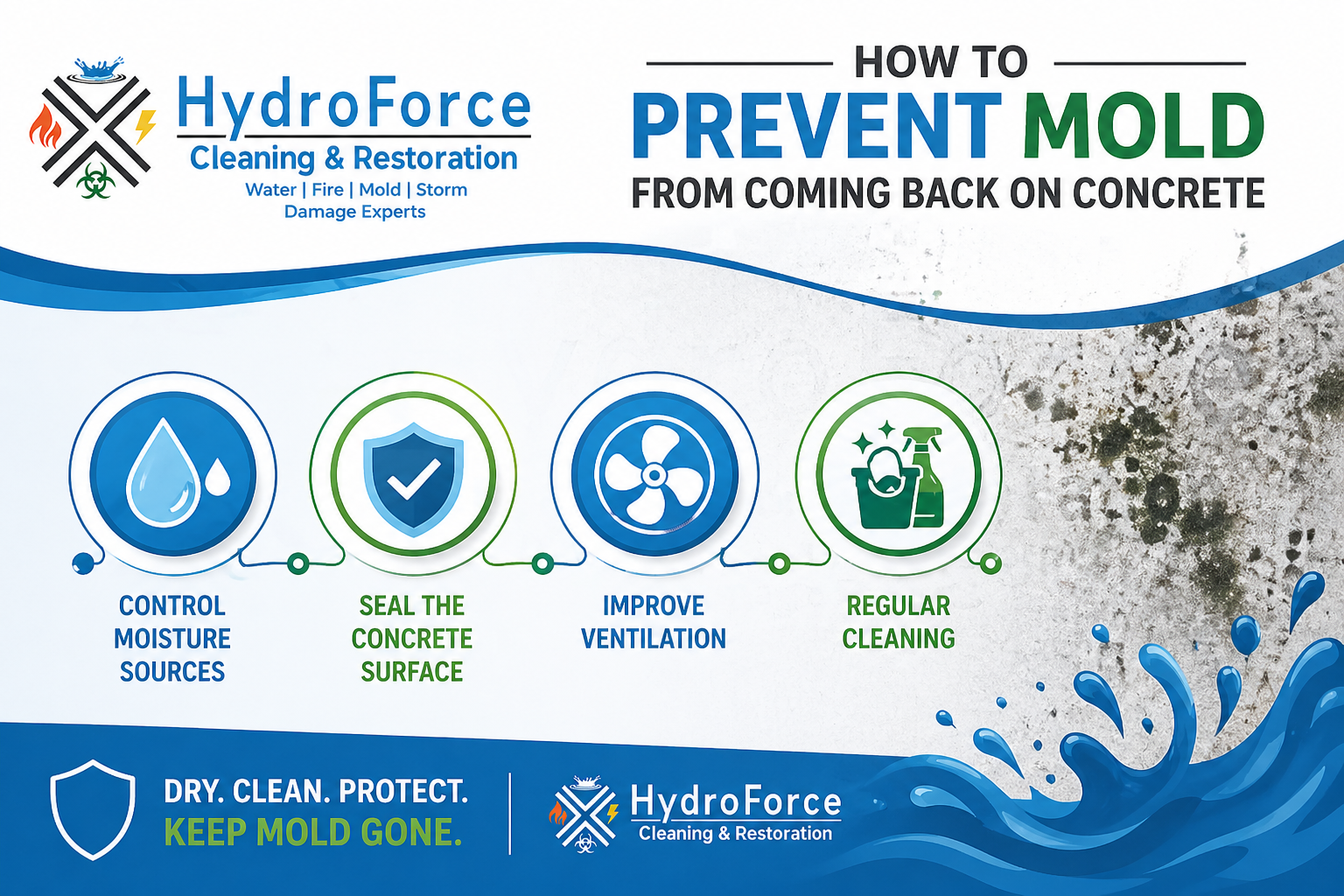
Preventing regrowth is just as important as removal.
Control Moisture Sources
- Fix leaks and water intrusion
- Improve drainage around the foundation
- Reduce humidity in basements and crawl spaces
Seal the Concrete Surface
Apply mold-resistant sealants or coatings to reduce moisture absorption.
Improve Ventilation
- Use exhaust fans in basements and garages
- Increase airflow in enclosed areas
- Reduce condensation buildup
Regular Cleaning
Routine cleaning helps remove dust and organic buildup that supports mold growth.
When to Call a Professional Mold Remediation Company
DIY methods are only effective for small surface mold. You should contact a professional if:
- Mold covers more than 10 square feet
- Mold keeps returning after cleaning
- There is a strong musty odor
- You suspect hidden mold inside walls or floors
- Moisture problems are ongoing
Attempting to clean large infestations yourself can spread spores and worsen the problem.
Protect Your Home with Mold Remediation from HydroForce
Mold on concrete often signals a deeper moisture issue that surface cleaning alone will not fix. If mold keeps coming back or continues to spread, a professional inspection can identify the root cause and prevent further damage.
HydroForce Cleaning & Restoration specializes in identifying moisture sources, removing mold safely, and restoring affected areas using advanced remediation techniques. Their team ensures mold is fully eliminated, not just temporarily cleaned.
If you’re dealing with persistent mold in your home or business, scheduling a professional mold inspection can help you avoid larger structural damage and ongoing health risks.