Why Mold Grows on Washing Machine Rubber Seals
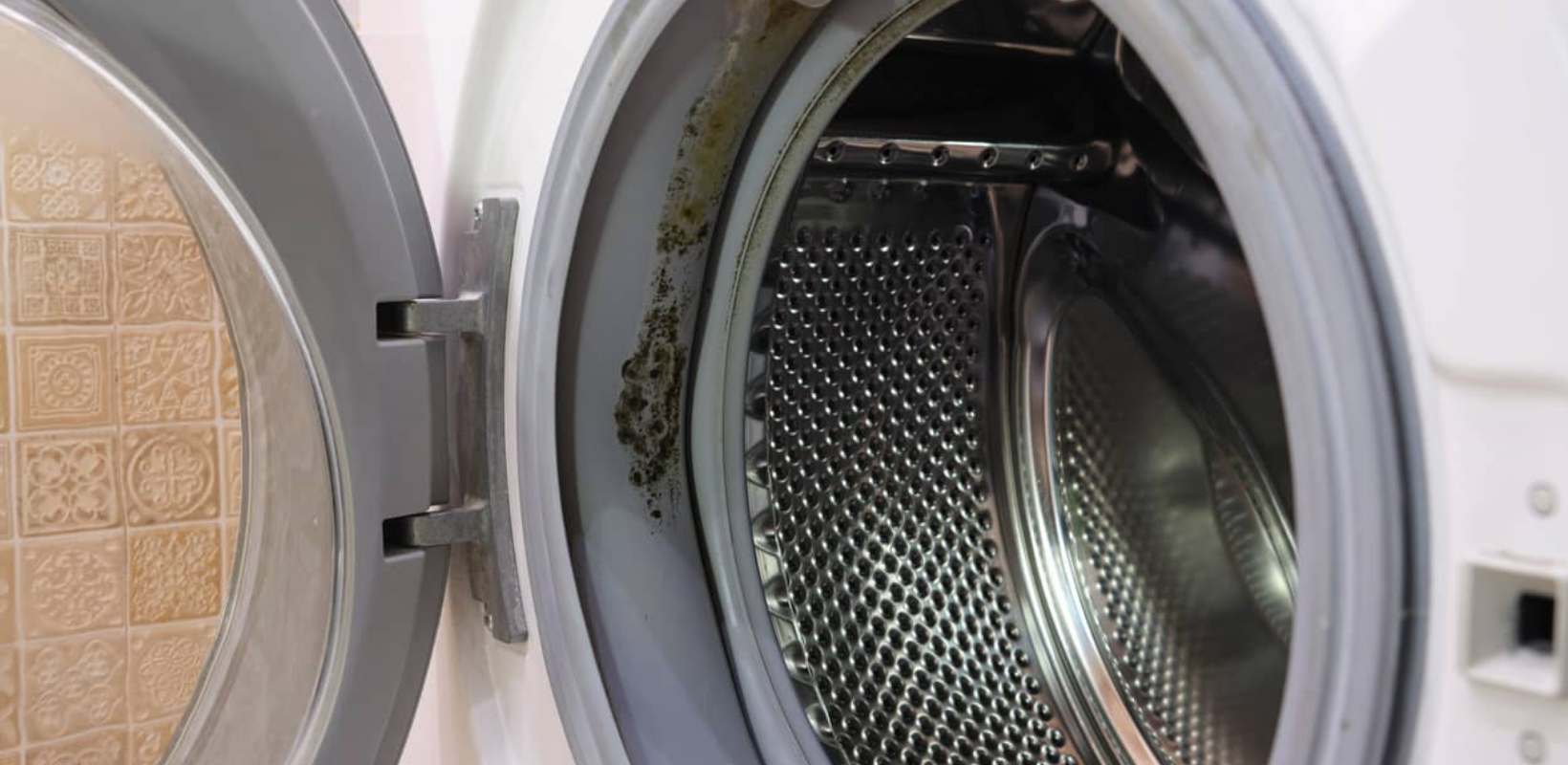
The rubber seal, also known as a gasket, sits between the washer door and the drum. Its folds trap moisture, detergent residue, and lint. Combined with warm wash cycles, this creates the perfect environment for mold growth. According to data referenced by the Centers for Disease Control and Prevention (CDC), mold is common in homes and buildings where moisture is present, particularly in areas that trap humidity and condensation.
Front-load washers are especially prone to this problem because:
- Water pools inside the gasket folds
- Doors stay closed between cycles
- Excess detergent leaves a residue that mold feeds on
Once mold starts growing, it doesn’t always stay on the surface; it can embed itself into the rubber.
Why You Should Remove Mold Immediately
Ignoring mold buildup on a washing machine gasket can lead to several problems:
- Persistent musty odors caused by microbial volatile organic compounds (MVOCs)
- Clothes smelling moldy even after washing
- Worsening mold growth inside gasket folds
- Health symptoms for people with mold allergies or sensitivities
If you’re cleaning the washer regularly but odors keep returning, mold inside the gasket is often the cause.
How to Tell If Mold on a Washing Machine Gasket Is Severe
Not all gasket mold is the same. Understanding severity helps you choose the right solution.
Light to Moderate Mold (Usually DIY-Cleanable)
- Surface-level black or dark spots
- Mild odor
- Mold wipes away with scrubbing
Severe Mold (May Require Replacement or Help)
- Thick black mold embedded deep in gasket folds
- An odor that returns quickly after cleaning
- Rubber cracking, stiffness, or deterioration
- Visible mold behind the gasket or drum lip
If mold keeps coming back despite proper cleaning, it may be growing behind the gasket or inside the machine housing.
What Kills Black Mold on Rubber Washing Machine Seals?
Some cleaners work well on rubber. Others cause damage.
Best Options for Rubber Gaskets
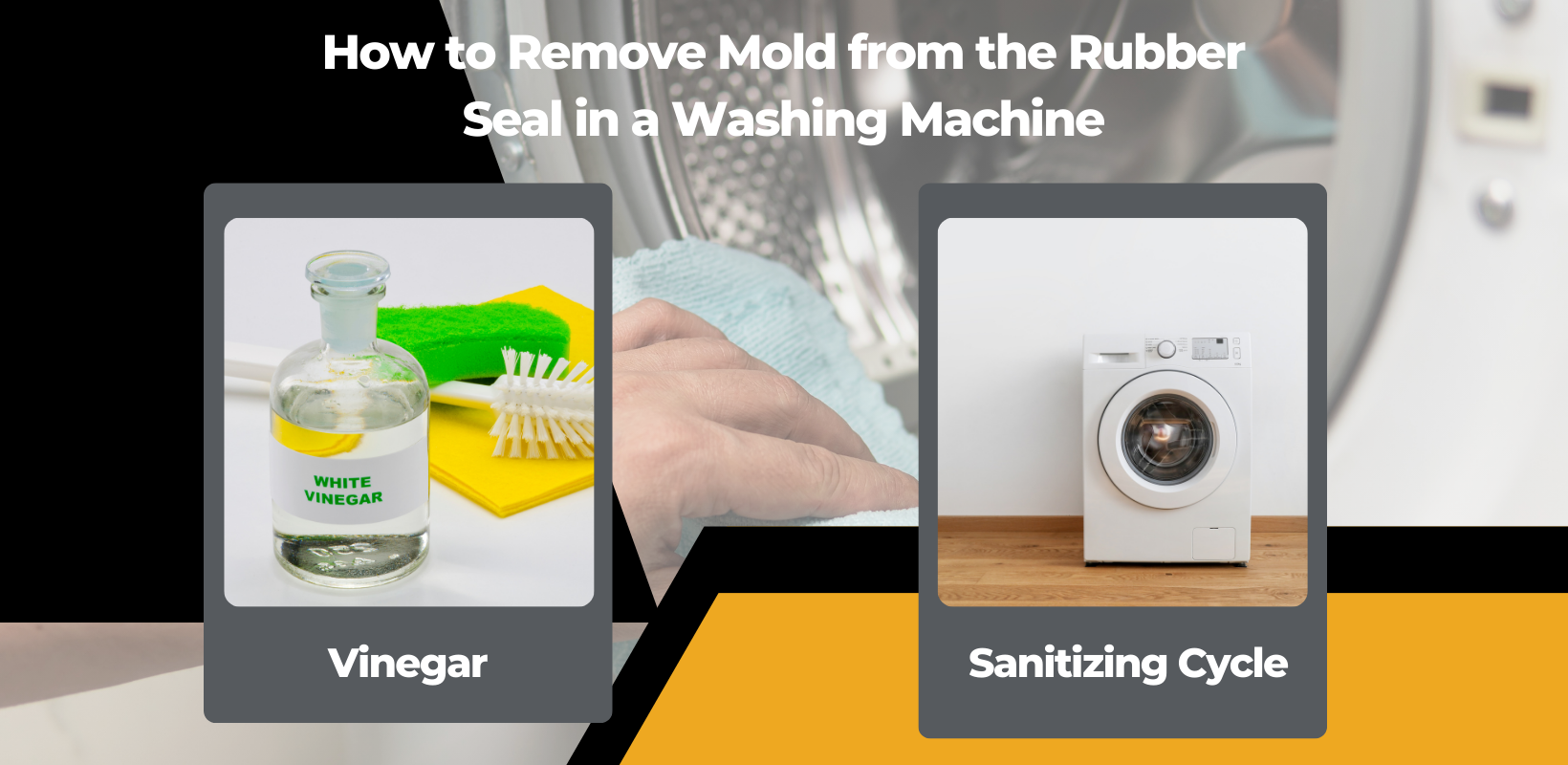
- White vinegar: Safely kills mold and breaks down residue
- Hydrogen peroxide (3%): Effective for stubborn mold stains
- Commercial washing machine cleaners: Designed for appliance-safe use
What to Avoid
- Bleach: Damages rubber, causes brittleness, and does not fully kill mold roots
- Hot water alone: Removes odor temporarily but doesn’t eliminate mold
Bleach may lighten stains, but it weakens rubber over time and allows mold to return faster.
How to Remove Mold from a Rubber Washing Machine Gasket
The rubber gasket in a washing machine can be successfully cleaned without having to remove it. One of the best ways is to use vinegar, which is a safer option than bleach.
What You’ll Need
- White vinegar or 3% hydrogen peroxide
- Spray bottle
- Soft brush or old toothbrush
- Microfiber cloth
- Gloves
Cleaning Steps
- Put on gloves and pull back the gasket folds to expose hidden mold.
- Spray vinegar or hydrogen peroxide generously on affected areas.
- Let it sit for 15–30 minutes (up to 2 hours for stubborn mold).
- Gently scrub mold using a soft brush, focusing on creases.
- Wipe clean with a damp cloth and rinse residue away.
- Dry the gasket completely and leave the washer door open.
For heavy buildup, repeat the process once more.
Sanitize the Washing Machine After Cleaning the Gasket
Cleaning the gasket alone may not remove mold spores inside the washer.
- Run the hottest cycle available with no clothes inside
- Add a washing machine cleaner or vinegar to the cycle
- Keep the door open afterward to allow full drying
This step helps prevent mold from spreading back onto the clean gasket.
Should You Replace the Rubber Seal Instead?
Replacing a washing machine gasket may be necessary if:
- Mold is embedded deep into damaged rubber
- Odors persist after multiple cleanings
- The gasket is cracked or no longer sealing properly
While skilled DIYers can replace a gasket, it’s often best handled by an appliance professional due to the complexity and risk of leaks.
How to Replace the Rubber Seal in Your Washing Machine
While replacing the rubber seal is a complex task that is best left to appliance repair experts, handy homeowners may be able to perform the job themselves. If you are confident in your DIY skills, here is how you can replace the rubber seal yourself:
- Unplug the washing machine, unscrew the front panel, and remove the outer retaining band. Carefully pull off the rubber seal.
- Clean away the grime in the exposed areas with a damp cloth.
- Align the new rubber seal over the drum, ensuring the drain holes remain at the bottom.
- Once installed, return the retaining band to its position, reattach the front panel, and plug in the washing machine.
How to Prevent Mold From Returning
Indoor mold growth is directly linked to excess moisture, with mold able to begin growing on damp surfaces within 24 to 48 hours if conditions remain wet. Once the gasket is clean, prevention is key:
- Leave the washer door open between cycles
- Wipe the gasket dry after each use
- Use high-efficiency detergent and avoid overuse
- Clean the washer monthly
- Remove wet laundry promptly
These habits dramatically reduce the chance of mold returning.
When Mold in a Washing Machine Signals a Bigger Problem
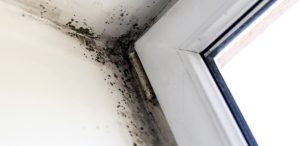
Persistent washer mold can sometimes indicate excess humidity or moisture issues elsewhere in the home. In those cases, surface cleaning alone may not be enough. If mold keeps returning or spreads beyond the washing machine, a professional assessment can help identify hidden moisture sources.
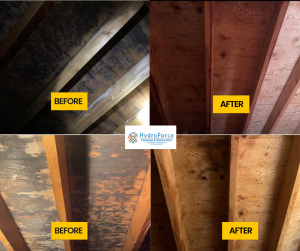
HydroForce Cleaning and Restoration provides professional mold remediation services for homes affected by mold growth. Our technicians locate moisture sources, contain affected areas, remove mold safely, and help prevent future outbreaks.
Homeowners in Chicago, Bridgeview, Oak Lawn, and nearby Illinois communities can rely on HydroForce for thorough, professional mold removal when DIY solutions fall short.