24/7 EMERGENCY SERVICE RESIDENTIAL & COMMERCIAL SERVICES

Finding mold on a painted ceiling can be frustrating and concerning. Not only does it require effort to clean, but mold spreads quickly and can affect indoor air quality. Prolonged exposure may also contribute to allergies, respiratory irritation, or even asthma, which makes prompt removal important for both your health and your home.

Fortunately, it is possible to eliminate mold spores from your ceiling and prevent them from returning. In this guide, we will explore effective cleaning methods you can try at home, ways to prevent mold growth, and the advantages of hiring a professional mold remediation company for thorough removal.

How to Remove Ceiling Mold Safely: Step-by-Step

Before you start cleaning, take a moment to protect yourself and your home. Put on gloves, eye protection, and an N95 mask to avoid inhaling mold spores. It also helps to open windows for ventilation and place a drop cloth or old sheet under the area to catch any drips.

Once the space is prepared, choose a cleaning method based on what you’re comfortable using; mold spray, bleach, vinegar, or baking soda can all be effective. No matter which option you choose, always test a small, hidden patch of the ceiling first to make sure the product won’t damage the paint.

Now you’re ready to begin:

  1. Apply your cleaning solution directly to the mold.
  2. Allow it to sit for several minutes so it can break down the mold growth.
  3. Gently wipe the area with a soft sponge or cloth. Avoid scrubbing too hard to prevent damaging the paint.
  4. Rinse the spot with clean water to remove any leftover residue.
  5. Dry the ceiling thoroughly, as even small amounts of leftover moisture can cause mold to return.

These simple steps make it easier to remove mold safely while preserving the condition of your painted ceiling.

Is It Safe to Remove Mold from a Painted Ceiling?

In most cases, yes, but only if the mold is limited to a small area and the ceiling is structurally sound. Mold on ceilings often forms due to humidity, condensation, or minor water exposure. If you catch it early, DIY removal can be safe and effective as long as you use proper protective equipment.

However, ceiling mold may also indicate a deeper issue, such as a roof leak, attic moisture, or improper ventilation in bathrooms and kitchens. If the mold keeps returning or the ceiling shows signs of water damage, a professional assessment is recommended.

When NOT to Remove Ceiling Mold Yourself

DIY mold removal has limits. It’s best to call a professional if:

  • The mold covers more than 10 square feet
  • There is a recurring musty odor, but no visible mold
  • The ceiling is bulging, stained, or water-damaged
  • You’ve tried cleaning before, and the mold returned
  • Someone in the home has asthma, allergies, or a compromised immune system
  • You suspect the mold originated from contaminated water

These situations often involve hidden mold or structural moisture that requires expert remediation.

Cleaning Methods for Mold on Painted Ceilings

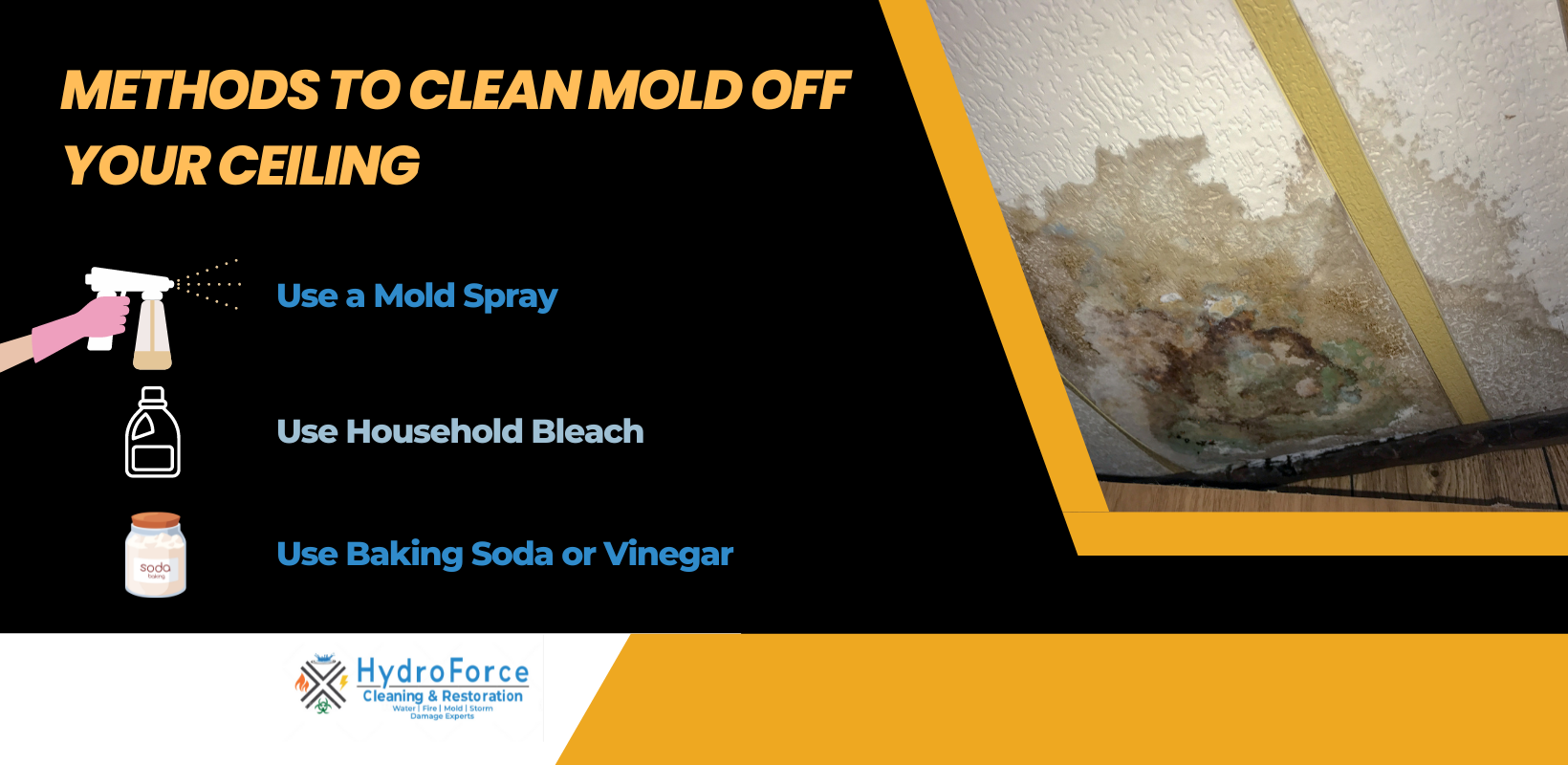
Methods to Clean Mold Off Your Ceiling

When it comes to cleaning mold off the ceilings, you need to use a cleaning product and method that will effectively remove the mold growth without damaging the ceiling. The following are cleaning methods that can help you remove the mold growth:

1. Mold Spray

Mold sprays are designed specifically to kill mold spores and are simple to use on ceilings, walls, shower seals, and other damp areas. Foam-based options work especially well on ceilings because they cling to the surface instead of dripping.

How to use it:

  1. Shake the bottle and spray the product directly onto the mold from about 2–3 inches away.
  2. Let the spray sit for around 30 minutes so it can break down the mold.
  3. Wipe the area clean with a damp sponge.

These sprays are convenient and effective, but many contain chemicals that are toxic to aquatic life, so use and dispose of them responsibly.

2. Household Bleach

If you don’t have a specialized mold remover, chlorine bleach can work well on painted ceilings. It’s inexpensive and strong enough to kill mold on contact, but it may require more than one application, and it can discolor paint, so test it first.

How to use it:

  1. Mix 1 cup of bleach with a bucket of water.
  2. Apply the solution with a cloth or spray bottle, ensuring the room is well-ventilated.
  3. Allow it to sit for about 15 minutes.
  4. Wipe the ceiling clean with a damp cloth or sponge.
  5. Repeat the process if any mold remains.

Although bleach is effective, it is highly toxic, so wear proper protective gear and avoid overusing it.

3. Baking Soda or Vinegar

For those who prefer a milder, non-toxic option, baking soda and vinegar are both suitable choices. They’re safe to handle and work well on lighter mold growth, though they may take more time, and can dull the paint if used too frequently.

Baking soda method:

  1. Combine 1 tablespoon of baking soda with 1 cup of water until dissolved.
  2. Apply the mixture and gently scrub the mold with a soft-bristle or stiff brush.
  3. Wipe clean and dry the area thoroughly.

Vinegar method:

  1. Mix equal parts vinegar and water in a spray bottle or bucket.
  2. Spray or apply the solution directly onto the mold.
  3. Let it sit for about 15 minutes.
  4. Wipe the ceiling with a dry cloth.

Vinegar and baking soda are safer alternatives, but they may require repeated treatments and should be used carefully to avoid damaging the paint.

Read: Is Bleach or Vinegar Better for Killing Mold?

What Causes Mold on Painted Ceilings?

Mold thrives in environments with excess moisture. Painted ceilings, especially in bathrooms and kitchens, are highly susceptible to humidity levels that are not controlled. Common causes include:

  • Poor ventilation in bathrooms, kitchens, or laundry areas
  • High indoor humidity (often above 50%)
  • Condensation from temperature differences
  • Roof or plumbing leaks
  • Steam buildup from showers or cooking
  • Insufficient attic insulation, causing moisture transfer

Understanding the cause of mold growth is essential to preventing it from coming back after cleaning.

mold build-up on bathroom ceiling

Preventing Mold in Your Home

As previously mentioned, cleaning mold from your ceilings is indeed possible. However, the chosen method requires both time and financial investment. Therefore, the most effective approach is to focus on preventing mold growth in your home altogether. Here are several proactive measures you can take to avoid mold issues in the first place, ensuring you won’t have to deal with cleaning later:

  • Make sure you have good air flow in your home and minimize the amount of moisture you let into your home. Good ventilation is crucial—open your windows regularly and allow all areas to be adequately aired out.
  • Use ceiling paint that is meant for moist areas, which include your kitchen and bathroom. If you’ve already had mold on your ceiling previously and you’ve decided to paint, make sure to do your research and choose a paint appropriate for your space that can protect it from mold. You can hire a professional interior painter for quality residential or painting services to ensure a mold-free property.

Professional Ceiling Mold Removal

If you do not feel comfortable or have the proper knowledge to remove mold from your ceilings yourself, it is important to reach out to a professional mold removal company. They will send over properly trained mold removal technicians who use advanced methods and equipment to get rid of mold on your ceilings. Here are some reasons why hiring a mold removal company may be beneficial to you:

  • Cleaning mold yourself without the proper personal protective equipment (PPE) can put you at risk of health effects from mold exposure. Mold removal professionals use PPE to protect themselves and will isolate and contain the mold growth to prevent its spread and protect your health.
  • You can cause the mold to spread further within your property by using improper cleaning methods, disturbing the mold colony, and causing it to release its spores.
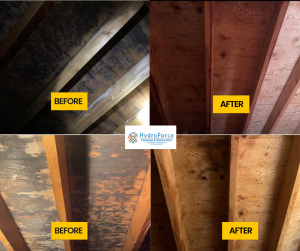
  • Mold may be hidden either inside, below, or even behind the affected surfaces. Professionals can locate and remove mold growth in hidden areas.
  • You may have a water or moisture issue causing the mold. Mold removal professionals can often identify the source of the moisture.
  • All mold growth will need to be removed before painting your ceiling. If you just paint over the mold, you may end up with mold getting trapped below the paint. Mold remediation professionals will ensure the complete removal of the mold growth.

Expert Mold Remediation Services

Mold Removal and Remediaion - HydroForce Cleaning & Restoration

Have you experienced mold at your home or business? Our professionals at HydroForce Cleaning and Restoration provide professional mold remediation for homes and commercial buildings. Our professionals are trained and certified and use the proper tools, equipment, and methods to remove mold from your property quickly and efficiently.

To learn more about our mold removal services, make sure to give us a call at (630) 835-0862.


Frequently Asked Questions (FAQs)

What does mold on a painted ceiling usually look like?

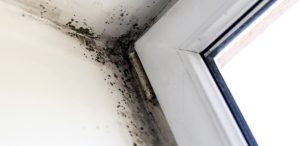
Mold on painted ceilings often appears as small black, brown, or green spots that gradually spread across the surface. You may also notice discoloration, streaks, or a faint musty odor. In bathrooms, the mold usually forms where steam collects—often around vents, corners, and above showers.

How long does it take for mold to grow on a ceiling after water damage?

Mold can begin growing within 24–48 hours of water exposure. If a ceiling has been affected by a leak, burst pipe, or condensation, mold may form quickly, even before visible signs appear. Early inspection is recommended anytime water damage occurs.

Can mold on a painted ceiling spread to other parts of the home?

Yes. Mold releases microscopic spores that can travel through the air and settle on other damp surfaces. If the moisture problem isn’t addressed, mold can spread to walls, insulation, or nearby rooms, especially in bathrooms and kitchens.