


water damage
How to Fix a Leaking Water Heater
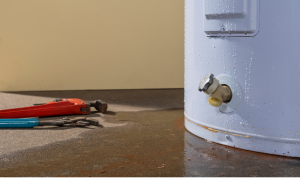
A leaking water heater can cause water damage and raise energy bills if not addressed quickly. Learn how to identify the source, make safe repairs, and prevent future leaks.
 Google
A leaking water heater can cause water damage and raise energy bills if not addressed quickly. Learn how to identify the source, make safe repairs, and prevent future leaks.
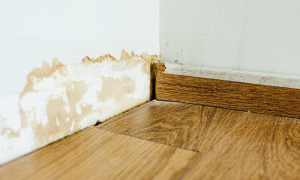
Water damage in a rental property can make living conditions unsafe. Learn when you may have the right to break your lease, what steps to take, and how to protect your rights as a tenant.
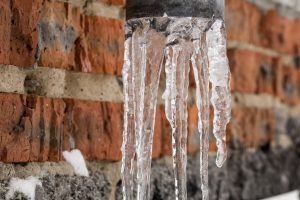
A frozen water line is a disaster waiting to happen. The pipe could burst, spewing hundreds of gallons of water into the home. Flooding is expensive and time-consuming to clean up. Homeowners are advised to prevent this costly mishap by learning how to thaw a frozen water line.
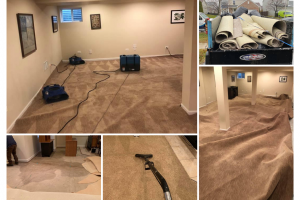
Mold on carpet can hide in plain sight and affect your health if ignored. Learn how to spot common signs, identify colors and textures, and take action before it spreads.
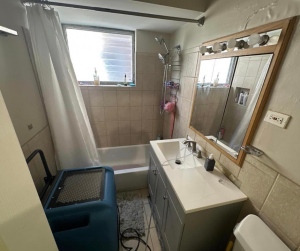
A sewage smell in your bathroom means sewer gas is getting past a barrier that is supposed to seal it out. The most common culprits are a dried-out P-trap, a failed toilet wax ring, or a blocked plumbing vent. Learn how to trace the odor to its source, which fixes you can handle yourself, and when a persistent smell points to a cracked drain line or hidden sewage leak that needs professional cleanup.
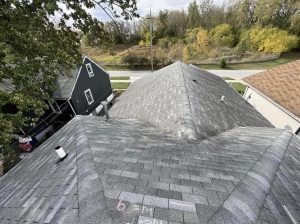
Hail rarely punches a visible hole in a roof. It bruises the shingle mat and strips the granules that protect it, damage that is almost impossible to see from the ground but shortens your roof’s life by years and often does not start leaking until months later. Learn what hail damage actually looks like, how to check safely without climbing up, what your insurance covers, and why the filing window matters as much as the damage itself.

A sewage smell from your kitchen sink almost always starts with grease and food debris, not the sewer. Fats coat the inside of the drain and disposal, trap decomposing waste, and produce an odor that returns days after cleaning. Learn where the buildup hides, how to clear it for good, and the warning signs that mean the problem is further down the line.
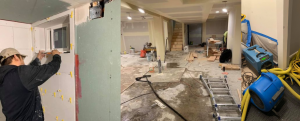
Heavy rain can quickly turn a basement into a water-damaged zone. Learn practical ways to prevent leaks, protect your foundation, and keep your basement dry and safe year-round.
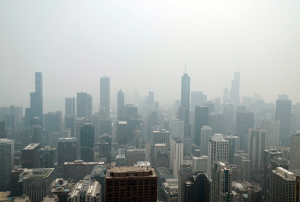
Wildfire smoke can linger indoors, affecting air quality and health. Learn practical steps to clear smoke from your home, including ventilation, air purifiers, and deep cleaning methods to restore fresh air.
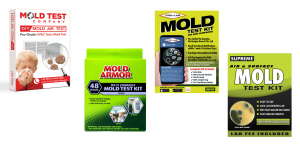
Mold at your apartment can be noticed via a musty smell or spots and patches around windows and other areas. There are various ways to test for mold which can be costly, however you can also use a home kit as a cheaper alternative.